
AI Revolution: China's Philosophers Search for the Human
With 17 percent youth unemployment and growing AI competition, students in China are facing existential questions. A philosopher advocates a return to the essentials.
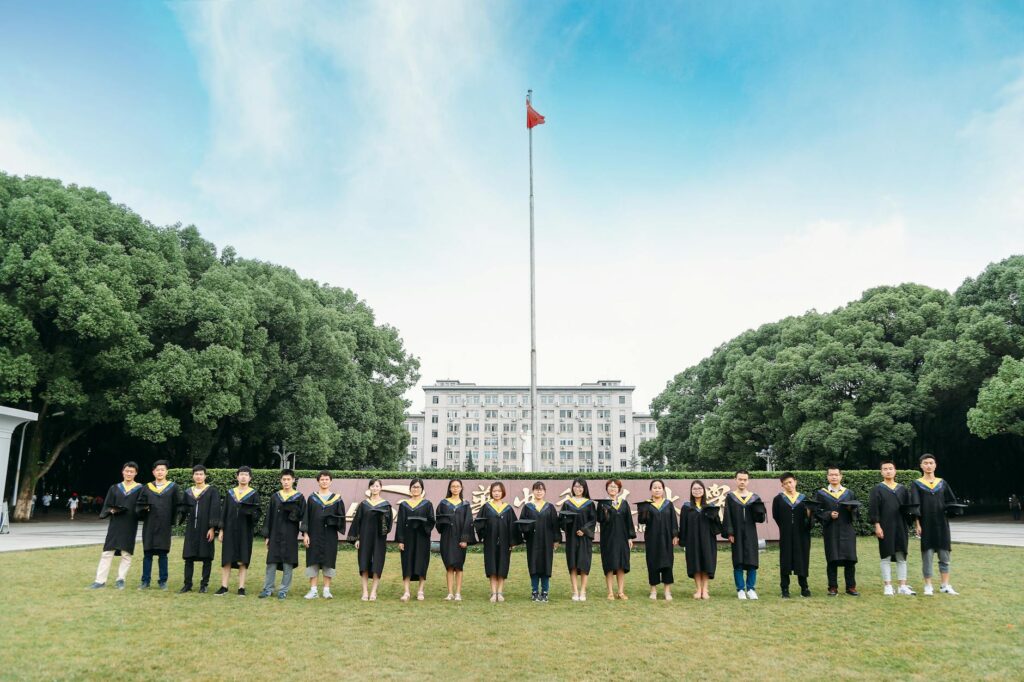
Vienna, June 8, 2026 – The dimension of change is evident when even graduates of Chinese elite universities are concerned about their professional futures. A philosophy professor from Hong Kong has now steered the debate surrounding artificial intelligence and the job market in a surprising direction: instead of technical adaptation, he calls for a return to the specifically human.
Youth unemployment meets AI boom
The numbers speak a clear language: almost 17 percent of young Chinese people are unemployed. The competition for jobs is brutal, even for graduates of renowned universities like Peking or Tsinghua. Artificial intelligence is now rapidly developing into this tense environment. Chatbots write texts, algorithms analyze data, and automated systems take over routine tasks. The question, „What can we still do after graduating?“ is becoming an existential concern for students. Those particularly affected are humanities scholars, whose traditional fields of work seem particularly susceptible to automation.
The Philosophical Counter-Proposal
But it is precisely a philosophy professor who is turning the debate around. Instead of fearing job loss, he advises his students to focus on skills that machines cannot replicate: ethical judgment, emotional intelligence, and creative thinking beyond pattern recognition. The irony is obvious: of all disciplines, philosophy, often smiled upon as impractical, could provide tools for a world where technical skills quickly become obsolete. In China, where the focus has traditionally been on engineering subjects, this is a remarkable change in perspective.
What Europe can learn from this
The debate in China is not an isolated phenomenon. Concern is also growing in Europe that certain professions will fall victim to the AI revolution. According to the Chamber of Commerce, over 60 percent of domestic companies are already engaged in AI applications. The Chinese discussion shows: a purely STEM focus could be a mistake. Austrian universities should observe how the People's Republic handles the tension between technological progress and humanistic education. Exchange with Chinese institutions on these issues could be rewarding for both sides.
The Two Sides of Power
China's position is paradoxical: The country is investing heavily in AI development and wants to be the world market leader by 2030. At the same time, this system is producing a generation of insecure graduates. On the one hand, the government promotes technological progress, but on the other hand, it must maintain social stability. The philosophical call for the „specifically human“ can be understood as quiet criticism of a purely economic logic of education. Whether such voices will be heard in Beijing's plans remains open. For Europe, the question of what makes us human is also becoming more pressing.
Source: World – South China Morning Post | Original Article