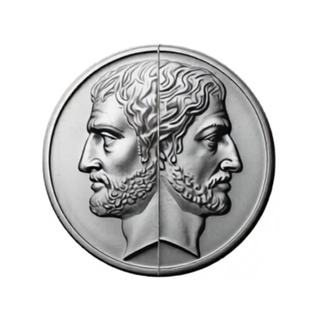
China's Soft Power Offensive: Europe Caught Between Washington and Beijing
A recent survey shows that the EU is divided over which major power to align with. For Austria, as a neutral country, this presents both unique opportunities and risks.
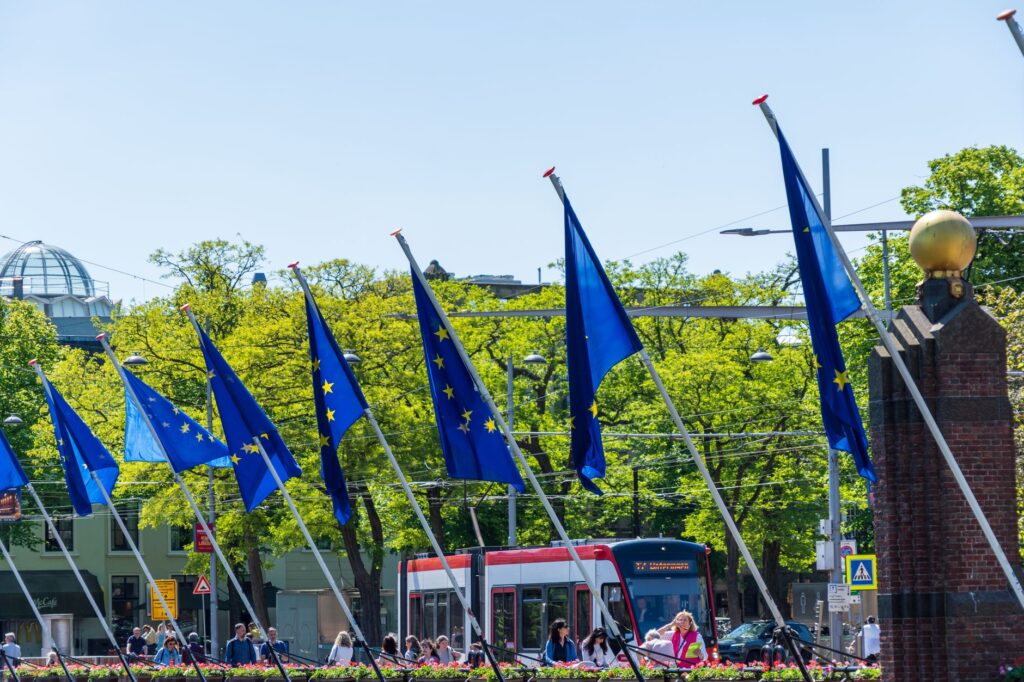
The geopolitical landscape of Europe is shifting. A survey published in June by the British research institute Public First, conducted in 24 EU member states, reveals a striking divide:
Eight countries prefer closer ties with China, nine lean toward the U.S., and seven are undecided. For Beijing, this result is a partial success following years of diplomatic efforts.
Beijing's Soft Power Strategy
China has been investing heavily in its international image for years. The People’s Republic is deliberately positioning itself as a stable, reliable long-term partner—a narrative that is resonating more and more in light of the political turmoil in Washington. Cultural institutes, media partnerships, and educational programs complement the economic expansion of the Belt and Road Initiative.
In Europe alone, China operates more than 200 Confucius Institutes, including three in Austria. At the same time, Chinese state media have significantly expanded their German-language content. The message is consistent: China is a predictable partner, while U.S. foreign policy fluctuates from election cycle to election cycle.
Economic Interdependence
Europe's ambivalence stems not least from tangible economic interests. China is the EU's second-largest trading partner after the United States, with annual trade in goods exceeding 700 billion euros.
German automakers, French luxury brands, and Italian machinery manufacturers are deeply integrated into the Chinese market. But this interdependence also creates vulnerabilities that Beijing can exploit for political purposes when necessary, as Lithuania discovered when it allowed a Taiwanese representative office to open in 2021 and was promptly confronted with trade restrictions.
What that means for Austria
For the Alpine republic, the situation is particularly complex. As a neutral country with a strong export-oriented economy, Vienna has traditionally maintained pragmatic relations with both sides. Chinese investors hold stakes in Austrian companies, and Vienna International Airport saw rising passenger numbers from China prior to the pandemic. At the same time, Austria is closely integrated into the transatlantic security network through its membership in the EU and the NATO Partnership for Peace.
The survey results show that this balance is not unique to Austria, but rather a pan-European phenomenon. Austrian companies should keep a close eye on this development: Those who want to succeed in both markets will have to navigate them even more skillfully in the future. The room for maneuver between the blocs is shrinking, and the costs of misalignment are rising.
The divided opinion within the EU is not an abstract phenomenon, but rather affects concrete political decisions in Brussels, ranging from investment protection agreements to technology export controls. Austrian companies doing business in China—from Voestalpine to SME suppliers—will feel the impact of these developments on their balance sheets.
In 2024, the three Austrian Confucius Institutes in Vienna, Graz, and Salzburg had a combined total of approximately 4,500 enrolled language students.
Source: China – South China Morning Post | Original Article