
New Tracking Device Aims to Stop Cargo Theft on the China-Europe Rail Route
China's state-owned railways are testing a satellite-based tracking system for containers. The technology uses China's BeiDou network and could also affect Austrian logistics companies.
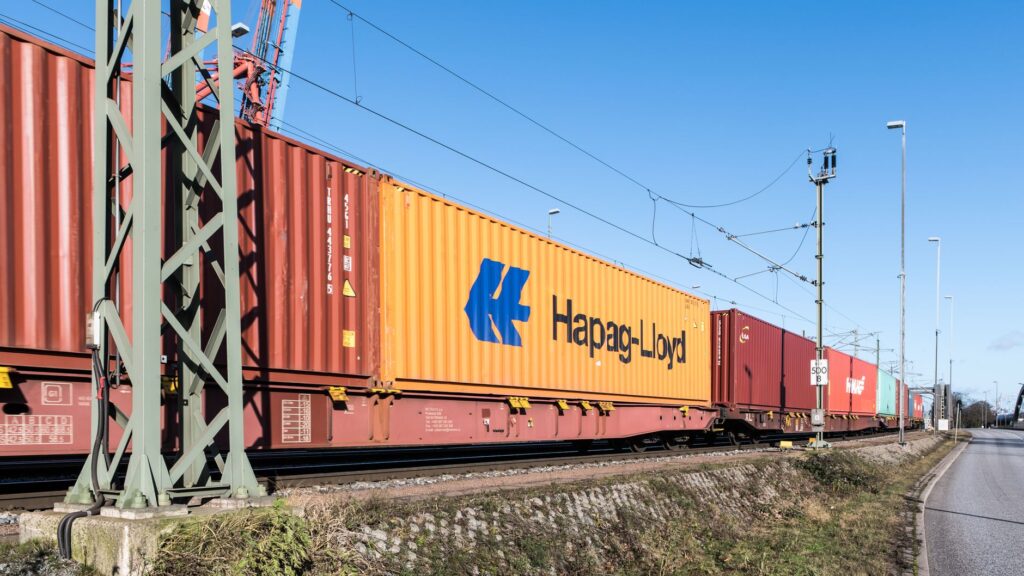
Chinese railway companies have tested a new tracking device designed to monitor freight containers in real time along the transcontinental China-Europe rail route. The mountable device uses China’s BeiDou satellite network and is intended to curb theft and security breaches along the route, which spans thousands of kilometers.
Existing Weaknesses in Rail Freight Transport
The China-Europe rail link, also known as the China Railway Express, transports hundreds of thousands of containers annually between Chinese industrial centers and European destination ports. However, the route passes through remote regions in Kazakhstan, Russia, and Belarus, where real-time monitoring has been technically challenging until now. Cell service gaps, extreme temperatures, and a lack of infrastructure made continuous shipment tracking difficult. Theft and tampering with containers often went undetected until the cargo arrived in Europe. The new device, developed by a team from several state-owned Chinese railway companies, is designed to close this gap.
The technology relies on BeiDou instead of GPS
The tracking system is based on China’s own satellite navigation network, BeiDou, which is considered an alternative to the American GPS. According to the developers, the BeiDou connection enables more precise positioning in regions where other systems reach their limits. The device can be mounted directly on the container and continuously transmits location data as well as information about unauthorized access. An alarm is automatically triggered in the event of tampering or a deviation from the planned route. China’s state-owned railways refer to this as a „potential state-of-the-art expansion“ of existing monitoring systems; however, specific figures regarding detection rates or the planned rollout have not yet been released.
Dependence on Chinese Infrastructure Is Growing
The new technology raises questions about the growing dependence of European logistics chains on Chinese systems. The BeiDou network is controlled by the Chinese government, raising concerns about data sovereignty. It remains unclear what information regarding the flow of goods, routes, and delivery times might end up in the hands of Chinese authorities.
Rail Service for Austria
The China-Europe rail link has grown in importance for Austria’s export sector in recent years. The Vienna South freight yard, as well as terminals in Linz and Villach, are connected to the network. Austrian freight forwarders and industrial companies use the route as an alternative to sea freight; the transit time from China to Central Europe is about 14 to 18 days by rail, compared to 30 to 45 days by ship. Improved security systems could lower insurance costs and stabilize supply chains.
The Austrian Federal Economic Chamber has not yet issued a statement on the new system. In 2025, the China Railway Express recorded a total of approximately 17,000 train trips between China and Europe.
Source: China – South China Morning Post | Original Article