
China-Russia Summit: What Xi's Moscow Visit Means for Ukraine
While Russian drones terrorize Kyiv, Beijing reaffirms its strategic partnership with Moscow. The signals from the Kremlin have consequences for all of Europe.
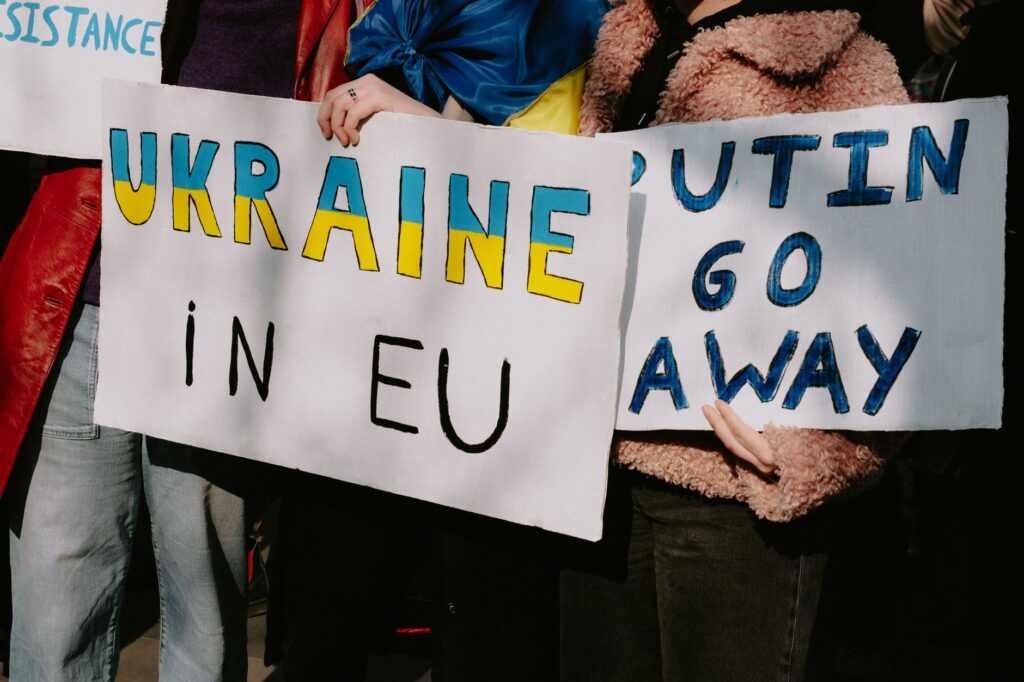
Vienna, June 14, 2026 – The most recent summit between Xi Jinping and Vladimir Putin took place against the backdrop of one of the most severe waves of attacks on Kyiv. On the night of May 23rd to 24th, Russia fired 600 drones and 90 missiles at the Ukrainian capital. The timing raises questions about Beijing's actual role in the conflict.
Strategic Partnership Without Borders
The formulation of a partnership without limits, coined by Xi and Putin back in 2022, was reaffirmed at the current meeting. Although China officially does not supply weapons to Russia, Western intelligence agencies have been documenting increased exports of dual-use goods for months. Semiconductors, drone components, and machine tools are flowing into Russia via third countries. Beijing rejects these accusations and emphasizes its neutrality. At the same time, China is buying Russian oil and gas at preferential prices, thereby strengthening Moscow's war chest.
Beijing's Balancing Act on the Front Lines
China presents itself internationally as a potential mediator for peace. The twelve-point plan presented in February 2023 continues to be offered by Beijing as a basis for negotiations. However, Kyiv and its Western allies see little more than diplomatic rhetoric in it. The plan calls for neither a Russian withdrawal nor the restoration of Ukrainian borders. This creates a dilemma for the EU and Austria. Economic relations with China remain important, but support for Russia significantly strains the relationship. Austrian companies with business in China are watching the developments with concern.
Impacts on Europe and Austria
The Beijing-Moscow axis is changing the geopolitical map. For Austria, as a neutral country and an important economic location, specific questions arise. How is Vienna positioning itself between the blocs? Austrian exports to China amounted to around five billion euros in 2025. At the same time, pressure from Brussels and Washington is increasing to support tougher sanctions against Chinese companies that are supporting Russia. Domestic industry warns of economic collateral damage.
The Two Sides of Power
China's position in the Ukraine conflict remains one of calculated ambivalence. On the one hand, Beijing benefits from a weakened Russia as a junior partner and a cheap supplier of raw materials. On the other hand, it risks its reputation as a responsible major power and its relationships with the West. For Ukraine, the summit primarily means one thing: no hope of Chinese pressure for a just peace. For Europe, it shows once again that economic interdependence does not guarantee political leverage. Beijing continues to answer the question of whether China is part of the solution or part of the problem with strategic ambiguity.
Source: chinaobservers | Original Article