Khamenei's Funeral in July: Middle East at a Crossroads
Following the killing of Iran's Supreme Leader in February, a state funeral is now to take place. Mediators are speaking of a peace agreement in the offing.
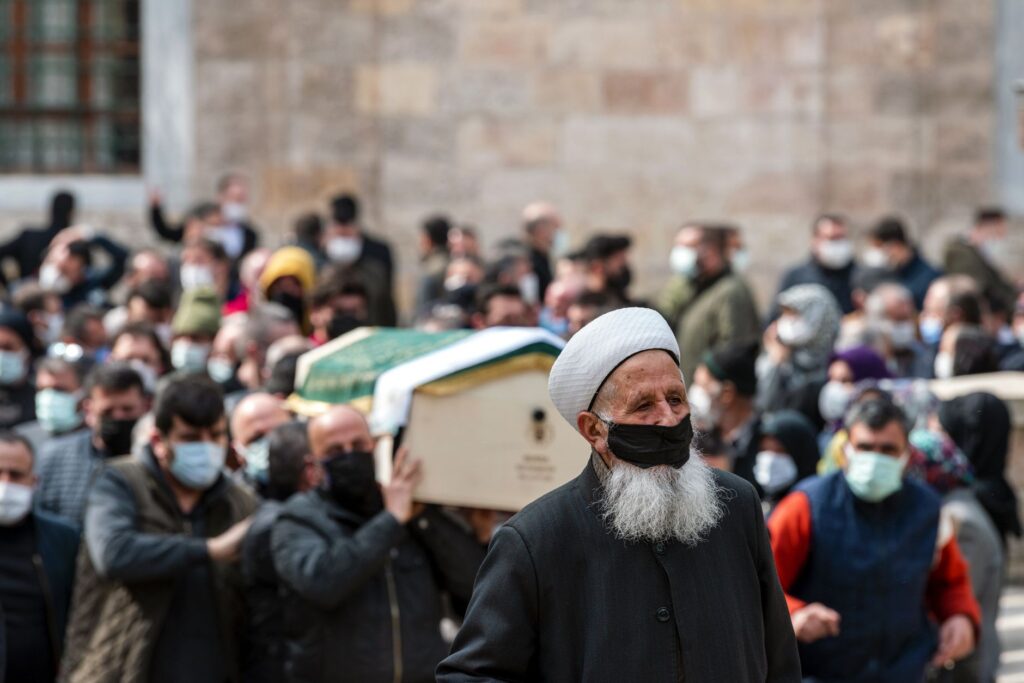
Vienna, June 13, 2026 – Four months after the death of Ayatollah Ali Khamenei, Iran has announced the dates for his state funeral. The ceremonies are scheduled to take place between July 4 and July 9, as reported by the state broadcaster IRIB. Khamenei was killed in the initial attacks of the war that Israel and the US launched against Iran at the end of February.
From attack to peace talks
The death of 86-year-old Khamenei marked a historic turning point. He had led Iran as Supreme Leader since 1989, elevating confrontation with the West and Israel to a state raison d'être. According to Israeli-American interpretation, his killing was meant to shatter Iran's command structure. However, the war has now been ongoing for over three months. According to mediator circles, an agreement to end the fighting is imminent. Details have not yet been released. Who has succeeded Khamenei remains a contentious issue in Western media, while Iranian sources speak of a new Supreme Leader already having been appointed.
Regional Realignment with Global Consequences
The conflict is of significant importance for China. Beijing sources around ten percent of its oil imports from Iran and has multi-billion dollar infrastructure projects there as part of the Belt and Road Initiative. A prolonged war endangers these investments and drives up energy prices. At the same time, China is positioning itself as a potential mediator. Back in 2023, Beijing brokered the diplomatic rapprochement between Iran and Saudi Arabia. Observers in Beijing see an opportunity to further expand their own influence in the Middle East while the US is militarily tied down.
What does that mean for Austria?
Austrian companies are affected by the developments in multiple ways. Energy prices in Europe react sensitively to every step of escalation in the Persian Gulf. Vienna, as the seat of the IAEA and a traditional venue for Iran negotiations, could regain diplomatic significance should peace talks become concrete. Austrian foreign policy faces the challenge of navigating between transatlantic alliance loyalty and economic interests. Exports to Iran were already severely restricted by sanctions, but a reorganization of the region could open up new trade opportunities – or permanently close them off.
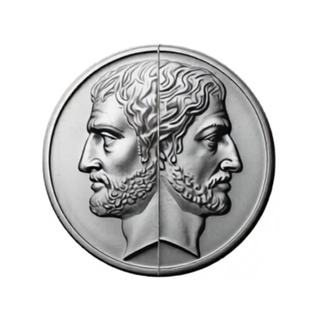
The Two Sides of Power
Khamenei's state funeral is more than a farewell to a leader. It is a symbol of upheaval for an entire region. The American-Israeli strategy of forcing political change through targeted killings has yielded mixed results: the war has not ended, but negotiations seem closer than ever. For Beijing, the crisis offers an opportunity to profile itself as a power that maintains order. For Europe and Austria, the anxious question remains whether peace will bring stability or merely postpone the next stage of escalation. The ceremony in Tehran will show whether Iran opts for retaliation or chooses the path of negotiation.
Source: World – South China Morning Post | Original Article