Eurovision 2026: Geopolitics Overshadows Europe's Biggest Music Show
Bulgaria wins the Song Contest for the first time, while five countries boycott in protest against Israel. The competition reflects the division of Europe.

Vienna, May 17, 2026 – The Eurovision Song Contest, Europe's most glamorous music event for 70 years, became the scene of geopolitical tensions on Saturday. Bulgaria, with singer Dara, achieved its first victory in the country's history, but another issue dominated the headlines: five nations boycotted the final in protest of Israel's participation.
Boycott splits the continent
Ireland, Norway, Finland, Iceland, and Slovenia stayed away from the final in Basel. The reason: Israel's military offensive in Gaza, which began in response to Hamas's attack on October 7, 2023. The European Broadcasting Union (EBU) had insisted on Israel's participation despite massive criticism, arguing that the competition was apolitical. This position proved untenable. Demonstrators gathered outside the arena, while heated debates raged on social media.
Israel in second place despite controversy
Remarkable: The Israeli audience vote was again strong. Israel secured second place, highlighting the divided sentiment. While juries from various countries rated cautiously, the televote showed significant support. Critics accuse the EBU of double standards. Russia was excluded in 2022 after the invasion of Ukraine. Different standards apparently apply to Israel, according to the accusation from boycotting countries.
What does that mean for Austria?
The ORF participated in the competition but avoided clear political statements. Austrian cultural politicians expressed concern about the development. The Eurovision Song Contest has always been a symbol of European unity in diversity. This unity is now visibly crumbling. For Austrian viewers, the question arises: Can an entertainment format still be apolitical in times of geopolitical crises? The answer in Basel was unequivocal: No.
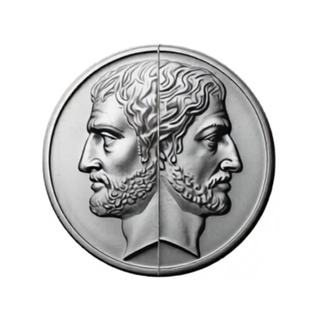
The Two Sides of Power
Defenders of Israel's participation argue that art and culture should remain separate from politics. Artists should not be punished for government decisions. The opposing side counters: Russia's exclusion showed that the EBU does indeed draw political lines. The refusal to act similarly with Israel reveals Western selectivity. Both positions have merit. The EBU faces a dilemma with no easy solution. However, the 2025 Song Contest has proven one thing: the notion of a non-political cultural event is an illusion in today's world. Bulgaria's Dara may bring the trophy to Sofia. However, the real winners and losers of this evening will not be measured by point tables.
YANUS continues to observe the development.
Source: World – South China Morning Post | Original Article