How Germans Think About China – and Why That Also Affects Vienna
A new analysis shows which factors shape the image of China in Germany. The findings are also relevant for Austria's China policy.
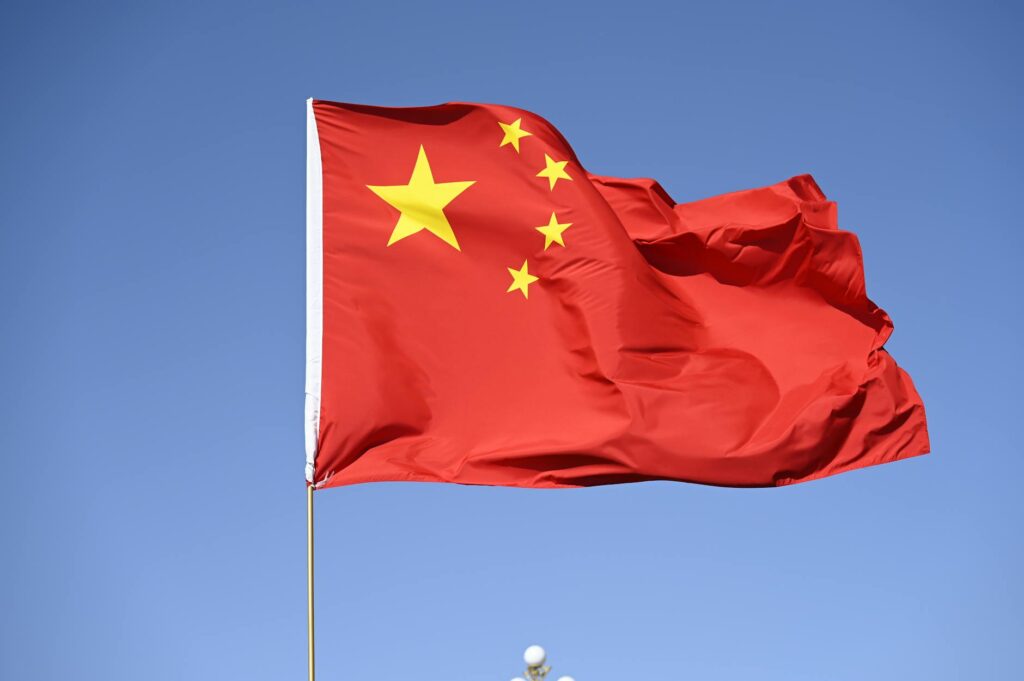
Vienna, May 23, 2026 – The image a society forms of another country influences far more than just public opinion. It determines whether young people want to study there, whether companies enter into partnerships, and ultimately, how governments shape their foreign policy. A current study by China Observers now systematically sheds light on the factors shaping the German perception of China.
Media as a Central Source of Information
The study identifies classical and digital media as the main source for Germans' image of China. A paradox emerges: while reporting in quality media is becoming increasingly nuanced, simplified narratives dominate on social networks. Topics like Xinjiang, Hong Kong, and Taiwan make headlines, while economic cooperation or cultural exchange receive less attention. For many Germans, China remains a land of contradictions, which they primarily perceive through the lens of security policy concerns.
Economic interests versus discourse of values
German companies, particularly the automotive industry, are deeply rooted in the Chinese market. Volkswagen, BMW, and Mercedes-Benz generate substantial portions of their revenue there. This economic entanglement is in tension with the political discourse, which increasingly focuses on human rights and systemic rivalry. The study shows: Germans with direct contact to China, whether through work or travel, tend to judge more nuancedly than those without personal experience. A finding that likely also applies to Austria.
What does that mean for Austria?
The German debate serves as a blueprint for Austrian discourse. Both countries share similar media landscapes, comparable economic structures, and common EU membership. When German corporations rethink their China strategy, the Austrian supplier industry follows suit. When Berlin toughens its tone towards Beijing, pressure also rises in Vienna. At the same time, Austria's smaller size allows for independent accents, for example in cultural diplomacy or niche markets.
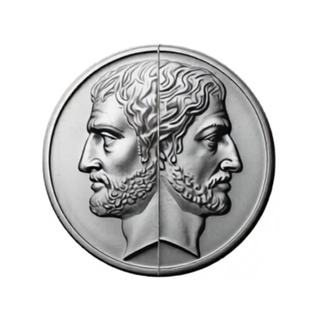
The Two Sides of Power
The analysis makes it clear: simplification harms both sides. Those who portray China solely as a threat overlook potential cooperation in areas like climate technology or science. Those who dismiss criticism of human rights violations as Western propaganda ignore documented realities. For Austrian decision-makers, this means building sound expertise, nurturing direct contacts, and not being guided by either Beijing's charm offensives or blanket demonization. Their own image of China should be based on facts, not on emotions.
YANUS continues to observe the development.
Source: chinaobservers | Original Article