
Durian Express: China's New Train Route Revolutionizes Fruit Trade
The new Southeast Asia railway line brings tropical fruits to China faster and cheaper. A milestone for regional economic integration.
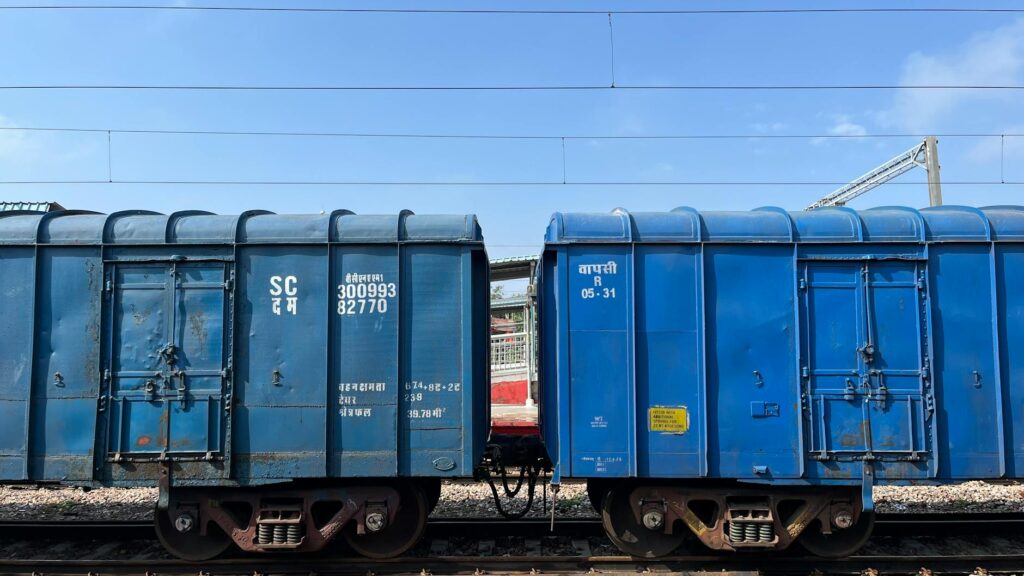
Vienna, May 4, 2026 – China is setting new standards in international freight transport with a new rail connection to Southeast Asia. The route enables durian fruits from Thailand and Malaysia to be transported to China in record time. For consumers, this means lower prices for the popular tropical fruit.
Infrastructure as an engine of growth
The new rail connection is part of China's infrastructure offensive in Southeast Asia. Instead of days of sea transport, perishable goods now reach major Chinese cities within 24 hours. The durian market in China is growing by 15 percent annually. In 2025, the country imported durians worth over 6 billion US dollars. The rail connection reduces transport costs by up to 30 percent. New cooperation opportunities are opening up for Austrian logistics companies with business in Asia. ÖBB Rail Cargo Group is observing developments along the New Silk Road with interest.
New trade routes are emerging
Alternative freight routes are being established in parallel in the Middle East. Traders are increasingly bypassing the Strait of Hormuz and using land corridors through Saudi Arabia and the United Arab Emirates. This structural shift reduces dependencies on maritime bottlenecks. China, as the Gulf states' largest trading partner, benefits from more stable supply chains. Austrian exporters delivering to Asia could profit from diversified routes. The Austrian Federal Economic Chamber has already announced delegation trips to the region for 2026.
Asia's economic integration
The developments show China's role as a driving force for regional connectivity. From high-speed trains in Laos to ports in Pakistan, an infrastructure network is emerging that brings Asia closer together. Thailand, Malaysia, and Vietnam are experiencing increasing exports to China. The RCEP trade bloc, comprising 15 Asian countries, is further deepening integration. This offers opportunities for European companies. Those with a presence in China can also reach Southeast Asian markets faster via the new corridors.
The Two Sides of Power
China's infrastructure projects create facts on the ground. The new connections strengthen Beijing's economic influence in the region. For smaller ASEAN states, this means prosperity through better market access. At the same time, dependence on Chinese infrastructure and investments is growing. Europe faces a choice: participate in these developments as a partner, or watch as others shape the trade flows of the future. Austria's foreign trade quota of over 100 percent makes this decision urgent. Those who export must know where the trains are heading.
YANUS continues to observe the development.
Source: World – South China Morning Post | Original Article