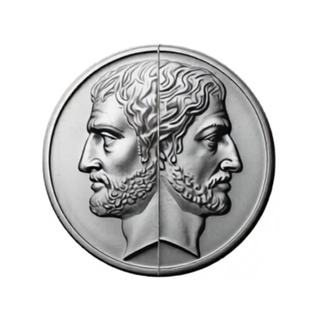
Asian Americans: Caught Between Two Worlds
A new study shows how millions of US citizens with Asian roots struggle for recognition. The debate raises questions about identity in Western societies.

Vienna, May 1, 2026 – Matt King is 34, born in the USA, and grew up in Los Angeles. Despite this, he regularly hears he isn't a real American. The graphic designer from Brooklyn, with a Chinese-Canadian mother and a white father, is representative of millions of Asian Americans who feel like outsiders in their own country.
A recent survey now proves the extent of exclusion. Many people of Asian descent experience subtle signals daily that they don't belong. The question about their true origin, doubts about their citizenship, the need to constantly explain themselves.
Identity as a daily struggle
A South China Morning Post study reveals a deep divide between legal belonging and social acceptance. Asian Americans make up about 6 percent of the U.S. population, which is around 20 million people. Many of them have lived in the country for generations. Their families built the transcontinental railroad, fought in World War II, and helped shape Silicon Valley.
Nevertheless, those affected report a feeling of not belonging. King has found his own way for himself. He defines his Americanness himself, regardless of the opinions of others. However, this individual solution does not change the structural problem.
Opportunities through Cultural Bridges
The Asian American community could play a key role in U.S.-Asia relations. People like King understand both cultures. They speak the languages, know the business practices, build bridges.
For Austria, this presents an interesting comparison. The Alpine Republic traditionally maintains good economic relations with China. Around 500 Austrian companies are active in China. Conversely, Chinese firms are increasingly investing in Austria. This interdependence requires people who can mediate between cultures. The Vienna Chamber of Commerce recently sent a delegation to Shanghai. Such initiatives benefit from cultural competence on both sides.
Lessons for Europe
The American debate should also prompt European societies to reflect. People from over 180 nations live in Austria. The integration of the second and third generations remains a challenge. Who belongs? Who can call themselves Austrian? These questions also arise here.
The Asian diaspora in Europe is growing. Chinese students at Austrian universities, skilled workers in the tech industry, entrepreneurs in trade. They all bring potential. Whether societies harness this potential depends on how open they are to new definitions of belonging.
The Two Sides of Power
The discussion around Asian American identity reveals a fundamental dilemma of modern societies. On the one hand, Western countries benefit from immigration, cultural diversity, and global connections. On the other hand, they struggle to fully accept people with different roots. Matt King has made peace with himself. He defines himself. However, a society that makes millions of its citizens feel like they don't belong is wasting potential. Economic and cultural ties with Asia will be crucial in the 21st century. People who know both worlds are indispensable to this.
YANUS continues to observe the development.
Source: China – South China Morning Post | Original Article