
The blockage of one of the world's most important shipping routes is hitting Europe in the midst of economic recovery – with consequences for consumers, industry, and politics.
Vienna, April 6, 2026 – What has long sounded abstract is becoming concrete: the tensions surrounding the Strait of Hormuz – that narrow strait between Iran and Oman through which one-fifth of the world's oil flows daily – are now directly affecting Europe.
Tankers are being rerouted. Diesel is becoming scarce. And prices are rising.
What is happening?
For weeks, freighters have been avoiding the route through the Persian Gulf. Instead of sailing through the Strait of Hormuz, more and more tankers are taking the significantly longer route around the Arabian Peninsula, which costs time, fuel, and money.
The International Energy Agency (IEA) has already reacted and announced the largest coordinated release of oil reserves in its history. However, market observers doubt whether this will be enough.
What does this mean for us?
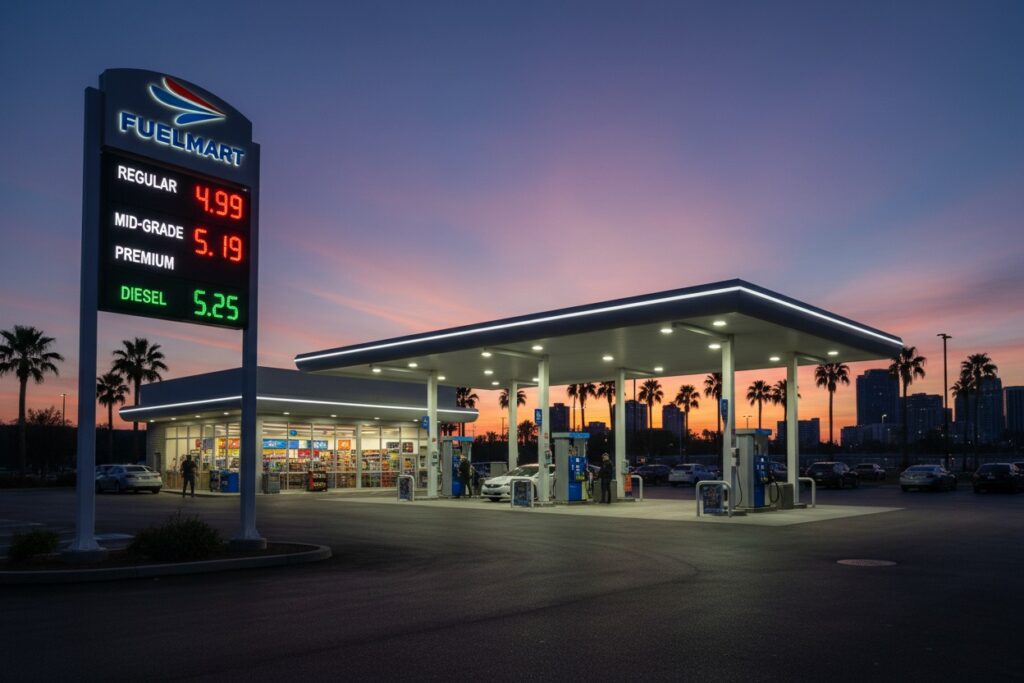
For Consumers: Diesel and heating oil prices could continue to rise. Drivers of diesel cars or those who heat with heating oil will feel this at the gas station and in their bills in the coming weeks.
For the economy: logistics, construction, agriculture, and industry — all sectors that rely on diesel — are seeing their operating costs rise. Margins that are already under pressure are being squeezed further.
For politics: The crisis shows once again how dependent Europe is on stable energy supply chains. Who will supply replacements? When? And who will bear the costs?
The Two Sides of Power
This reveals the basic pattern that YANUS always wants to highlight: Geopolitical decisions – made in Tehran, Washington, or Riyadh – ultimately end up as a price shock at the Austrian gas pump.
The Strait of Hormuz is narrow. But it is a lifeline for the global economy. And whoever controls it also controls a part of us.
YANUS continues to observe the development. Next analysis: Which European countries are most affected?