
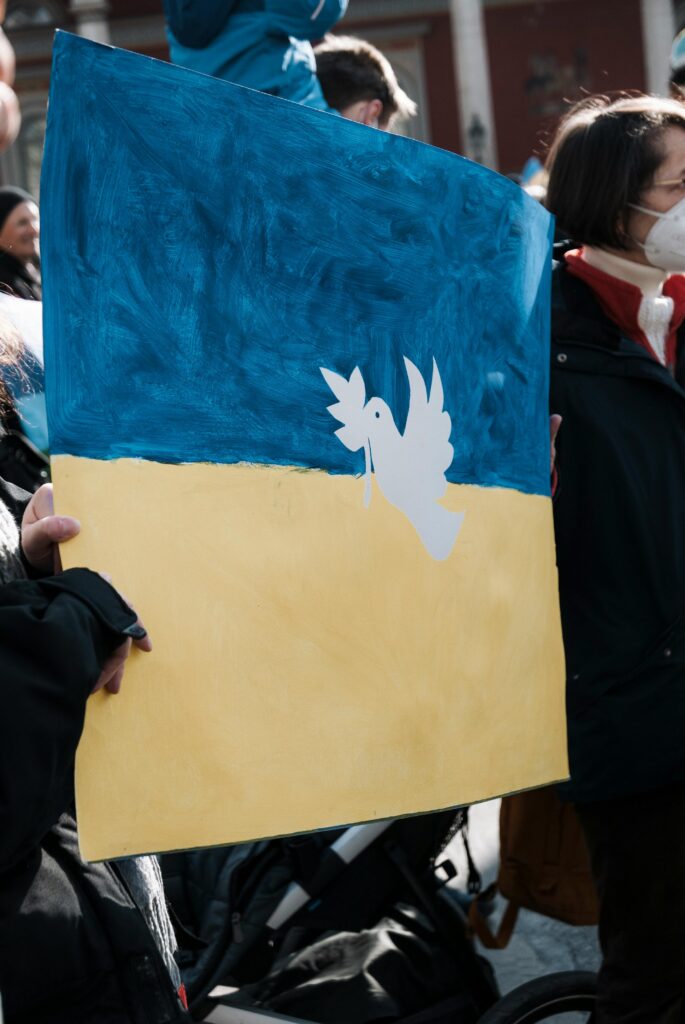
Geneva, Abu Dhabi, Istanbul—diplomacy travels the world. But Russia is blocking progress, Trump is playing poker, and Europe is watching.
Vienna, April 6, 2026 – Zelensky was in Istanbul this week, then in Damascus. He is concluding security agreements, seeking allies, and trading drone expertise for air defense missiles. Ukraine is not only fighting on the front lines – it is also fighting diplomatically for its survival.
But the actual peace talks are stuck.
The situation
Little has happened after discussion rounds in Abu Dhabi and Geneva. Russia is demanding the complete withdrawal of Ukraine from the regions of Donetsk, Luhansk, Zaporizhzhia, and Kherson – territories that are still partly held by Ukrainian troops. This is unacceptable to Kyiv.
Zelenskyy has offered: a ceasefire over Easter, a freezing of the front line, even a referendum. Moscow rejects it. Putin does not want a ceasefire – he wants a complete peace treaty, on his terms.
Trump's role
Washington is mediating, but less and less. The US-Israeli war against Iran is diverting US attention. Zelensky is publicly concerned that air defense systems from the US could now be diverted to the Middle East.
A U.S. delegation is scheduled to visit Kyiv in April, after Orthodox Easter on April 12. It remains to be seen whether this will provide new momentum.
The Two Sides of Power
The YANUS principle is particularly evident here: peace in Ukraine is not failing due to a lack of
The will of the people—it falls victim to the power calculations of the great powers. Putin needs the war. Trump needs a deal. And Europe?
Europe isn't even allowed to sit at the table.
YANUS continues to follow developments. Next analysis: What a freezing of the front line would mean for Austria and the EU.