
Russian missiles kill children – and Europe continues to watch
A twelve-year-old child dies in Russian attacks on Ukrainian cities. While sirens wail in Kyiv, Odesa, and Dnipro, Europe debates economic interests.
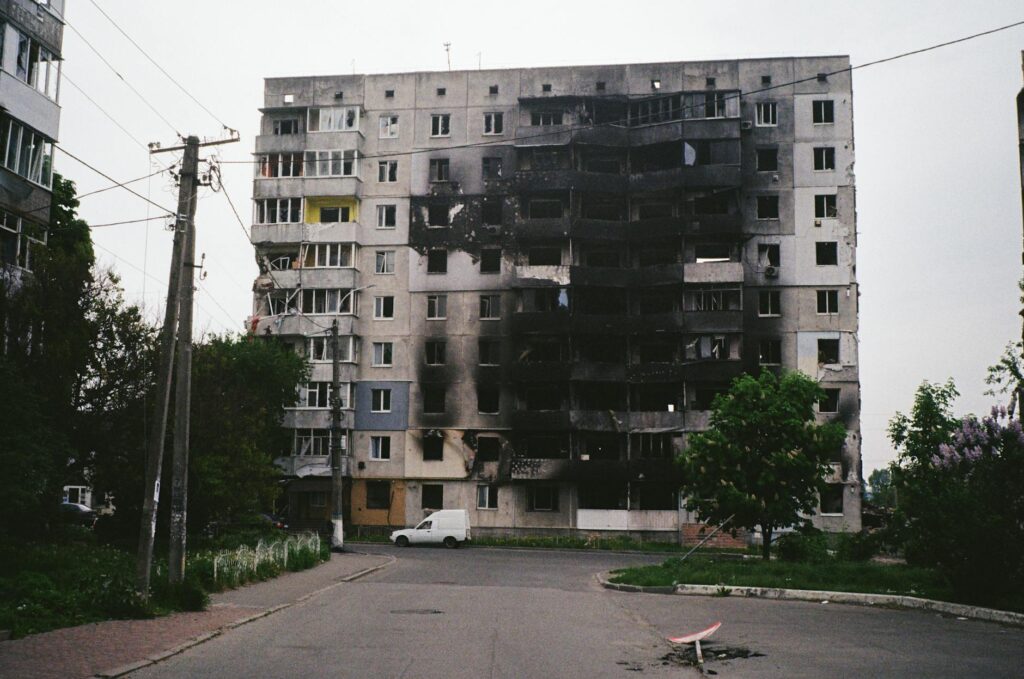
Vienna, April 16, 2026. A 12-year-old boy is dead. Torn apart by Russian missiles that struck Ukrainian residential areas overnight. In Kyiv, Odesa, and Dnipro, several people died and dozens were injured. Moscow is not targeting military bases. It is targeting residential buildings, schools, and hospitals. And this is no accident—it is systematic.
The Night of Terror
According to Ukrainian reports, the Russian armed forces fired a combination of ballistic missiles and Iranian-made kamikaze drones at three major cities. Ukrainian air defense managed to intercept some of them, but enough got through. In Dnipro, an apartment block was hit, and in Odesa, an infrastructure object. In Kyiv, debris from a downed missile crashed into a residential area. The death toll is still rising. What Moscow calls a „special military operation“ has long since taken on the character of a war of attrition against the civilian population.
The Silence of Diplomacy
In Brussels and Vienna, there is a sense of familiar dismay. People condemn, express regret, and make demands. But the sanctions have only limited effect, and arms deliveries are a patchwork of national interests. Austria, invoking its neutrality, remains a marginal humanitarian aid provider. Although economic ties with Russia have been officially restricted, Raiffeisen Bank International remains one of the largest foreign players in Russia. Gas continues to flow through Ukrainian territory to Austria. Neutrality is becoming a convenient fig leaf behind which tangible business interests are concealed.
Who benefits from the long war?
The arms industry on both sides of the Atlantic is reporting record orders. Energy companies have multiplied their profits. And Moscow? The Kremlin uses every day the West hesitates to create facts on the ground. The longer the war lasts, the more the negotiating position shifts in Russia's favor. A quick peace is not in the interest of those who profit from war. This applies to Russian oligarchs as well as to Western arms shareholders. In between: the Ukrainian population, which is dying. And a twelve-year-old boy whose name isn't even mentioned in the news reports.
The Two Sides of Power
On the one hand, there are official declarations of solidarity and the invocation of European values. On the other hand, there are gas contracts, bank balance sheets, and the quiet hope that the problem will somehow resolve itself. Austria must decide which side it actually stands on—not just in empty rhetoric, but in concrete economic and political decisions. After all, neutrality does not mean that one is not allowed to take a stance. It simply means that one does not participate in the killing. But it also means not looking the other way. YANUS will continue to document Austria’s entanglement in this conflict.