
Portrait: Xiaomi, smartphone company with automotive ambitions for Europe
A Chinese electronics giant that wasn't building cars five years ago is set to shake up the European SUV market. What's behind this price coup?
Xiaomi, founded in 2010 by Lei Jun in Beijing, was originally a pure smartphone and electronics manufacturer. With products like power banks, fitness trackers, and affordable Android devices, the company built a global brand within just a few years, which today ranks among Asia's largest technology corporations by revenue.
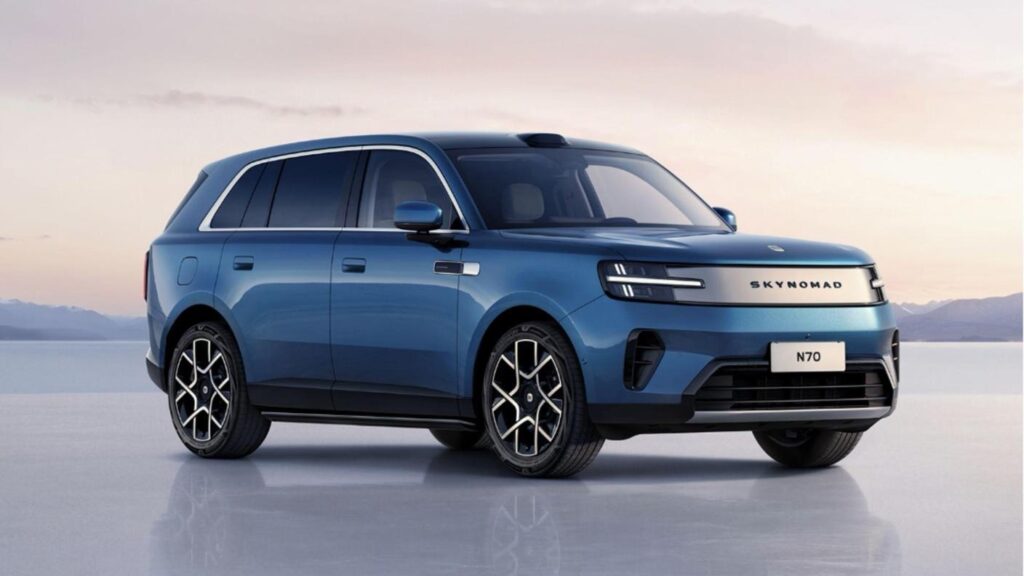
According to a report from tz.de, Xiaomi has now announced its official market launch with electric cars in Germany and presented an SUV model that is said to be priced significantly below established luxury electric cars.
Promotion
Lei Jun, previously active as an investor and software manager in China, founded Xiaomi with the goal of offering high-quality technology at lower prices than Western competitors such as Apple or Samsung.
The leap into the automotive industry came only in 2021, when Xiaomi announced its own electric car division and invested billions in development and production. In 2024, the company introduced the SU7, its first series-production vehicle, to the Chinese market, which according to its own statements achieved high sales figures in a short time.
The Germany launch now announced according to tz.de marks another step in internationalization. Xiaomi is thus following other Chinese automakers such as BYD or Nio, which have been trying to establish a foothold in Europe for years. The SUV shown is said to advertise an entry price that is significantly below comparable models from established manufacturers, as reported.
Networks & Influence
Xiaomi maintains a broad ecosystem of its own products and partner companies, from smart home devices to electric bicycles, and is involved in numerous suppliers and technology partners in China.
For automobile production, the company cooperates with established Chinese manufacturing facilities and battery manufacturers. In Europe, Xiaomi is already networked through its smartphone and electronics business with distribution partners, electronics retailers, and mobile phone providers, a distribution channel that could now also be used for automobile sales.
Xiaomi is listed on the Hong Kong Stock Exchange, with Lei Jun continuing as the central executive and major shareholder. The automotive division operates as an independent subsidiary that remains closely integrated with the core business of the corporation.
What does the future hold?
For the European automotive market, Xiaomi's announced Germany launch is relevant for several reasons:
German and Austrian automakers such as Volkswagen, BMW, as well as suppliers in Austria that produce for the European automotive industry, face direct competition for market share in the electric car segment. An SUV at significantly lower entry prices could increase price pressure on existing models.
Austrian consumers would be directly and positively affected by price reductions as potential buyers, while domestic suppliers who manufacture components for European manufacturers will need to observe market dynamics in the coming years in order to participate in them.
The exact sales figures, delivery dates, and the precise model name for the German market were not yet conclusively confirmed at the time of reporting.
Source: tz.de | Original Article