Pope Leo XIV in Cameroon: Message of Peace or Vatican Power Politics?
120,000 faithful cheered the new pope in Cameroon. But behind the rhetoric of peace lies a strategic calculation: Africa is the new battleground for the future of the Catholic Church.
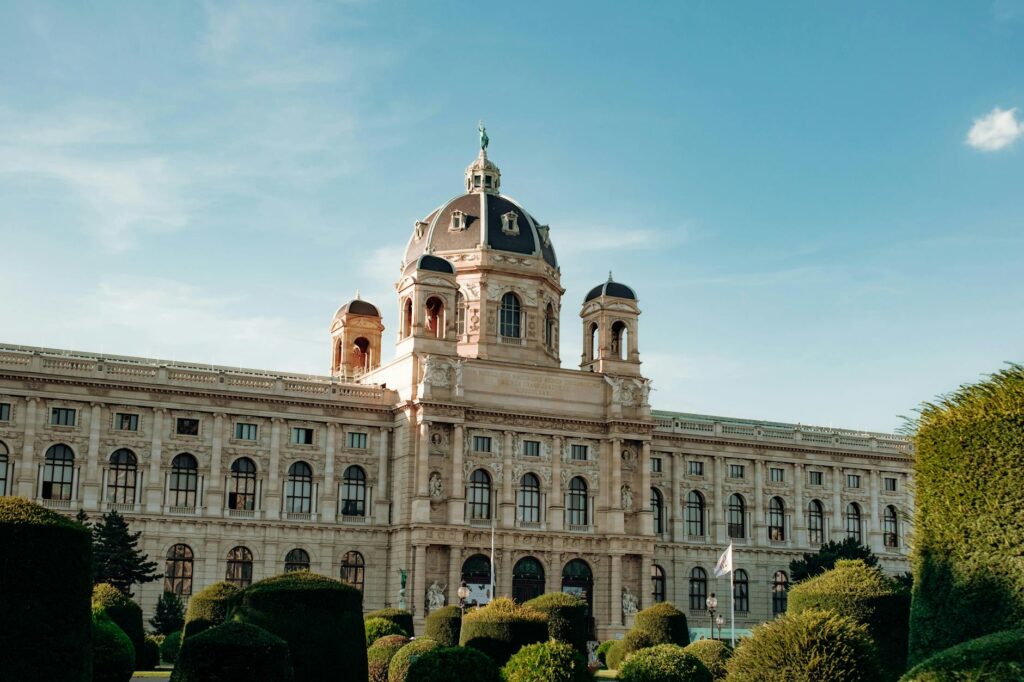
Vienna, April 17, 2026. During his trip to Africa, Pope Leo XIV called for nonviolence before 120,000 faithful in Cameroon. The images were impressive, the words melodious. But a closer look reveals that this is about far more than spiritual messages. The first American pope in history is pursuing a hard-line church policy, and Europe is watching.
The African Chessboard
Cameroon is not a destination chosen at random. For years, this Central African country has been torn apart by a simmering conflict between the Francophone majority and the Anglophone minority. Thousands have died, and hundreds of thousands have been displaced. Right in the middle of it all: one of the fastest-growing Catholic communities on the continent.
Sub-Saharan Africa now has more practicing Catholics than all of Europe. According to projections, 40 percent of all church members will live on this continent by 2050. While the number of people leaving the Church is reaching record levels in Austria and Germany, faith is booming in Lagos, Kinshasa, and Yaoundé. The Vatican is aware of this and is acting accordingly.
Who benefits from the rhetoric of peace?
Leo XIV called on the faithful to be „architects of peace“ and to reject the „deception of violence and abuse.“ Fine words. But any concrete criticism of the authoritarian regime of President Paul Biya, who has been in power for 42 years? None whatsoever. No mention of the documented human rights violations committed by government forces. Not a word about the opposition figures who have disappeared.
The Vatican needs stable relations with African governments. It needs visas for its missionaries, permits for its schools, and protection for its institutions. This diplomatic restraint comes at a price, and it is those who had hoped for a clear moral voice who are paying it.
What does this mean for Austria and Europe?
For Austrian Catholics—who still make up 55 percent of the population—this development raises uncomfortable questions. The Church, which is fighting for progressive reforms in this country, is increasingly influenced by conservative African movements. Issues such as the ordination of women or the Church’s stance on homosexuality will no longer be decided in Vienna or Munich, but in Nairobi and Abuja.
At the same time, the trip to Africa illustrates just how much global power centers are shifting. What the Pope says—or deliberately does not say—in Cameroon has implications for migration flows, development policy, and Europe’s self-image as a moral authority.
The Two Sides of Power
Pope Leo XIV presents himself as a peacemaker and bridge-builder. That is one side of the story. The other: a church leader who knows that the future of his institution no longer lies in the empty cathedrals of Europe, but in the overflowing congregations of Africa. The Yaoundé peace message was also an investment in the future—a future in which Europe will be nothing more than a bystander. YANUS will continue to monitor this shift in power.