Nuclear dreams with a long half-life
40 years after Chernobyl, nuclear power is making.
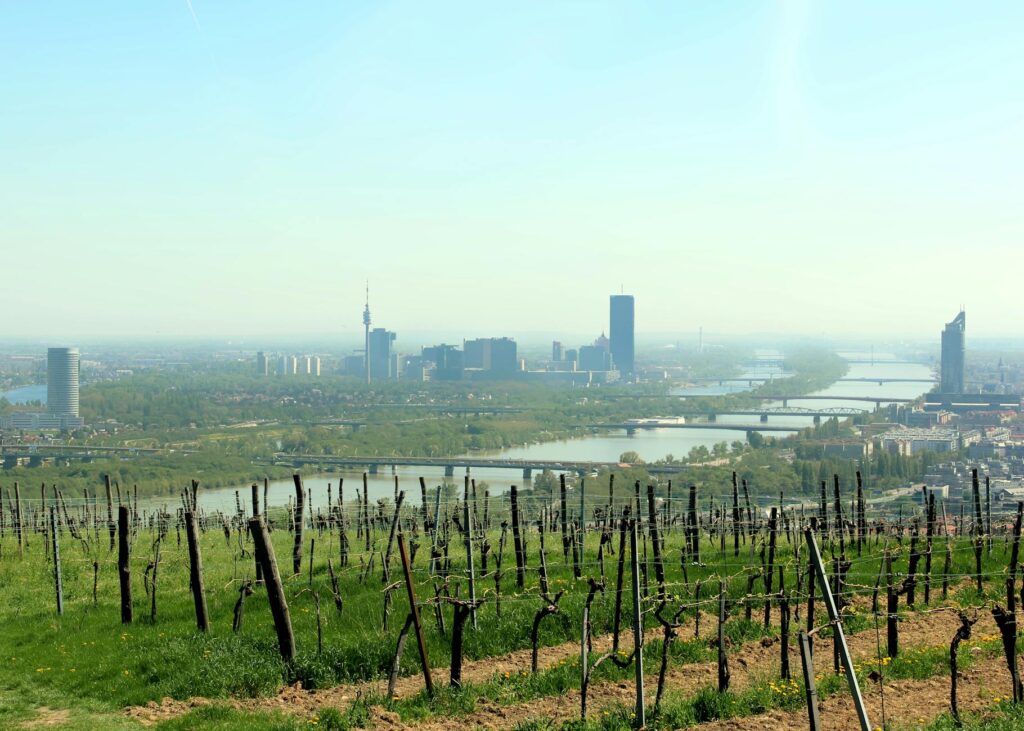
Vienna, April 25, 2026. Nuclear power is making a comeback. Four decades after the Chernobyl nuclear disaster and 15 years after Fukushima, we are witnessing a renaissance of nuclear power in Europe. France is building new reactors, Poland is planning to enter the field, and even in Germany, calls for a return to nuclear power are growing louder. The arguments sound compelling: low-carbon electricity, security of supply, and independence from Russian gas. But behind the nuclear glamour lie old problems with new price tags.
Flamanville's Billion-Dollar Graveyard
The reality of nuclear power is most evident in France. The European Pressurized Water Reactor (EPR) in Flamanville was supposed to come online in 2012 at a cost of 3.3 billion euros. In fact, it wasn’t completed until 2024, at a total cost of over 13 billion euros. Similar stories can be found at Olkiluoto in Finland and Hinkley Point C in the United Kingdom. The latter is now estimated to cost 46 billion pounds. These are not outliers, but the norm. Major nuclear projects in the West regularly exceed their budgets and schedules by a factor of several times.
The Hope of Small Reactors
The nuclear industry is now turning to Small Modular Reactors (SMRs). These smaller units are intended to be prefabricated in factories and built more cost-effectively. It sounds convincing, but there are still no commercially operated SMRs in the West. The U.S. flagship project NuScale was shut down in 2023 because costs skyrocketed. The technology looks promising on paper, but it’s far from being market-ready. And even if SMRs work, the issue of final disposal remains unresolved. Highly radioactive waste remains radioactive for hundreds of thousands of years. No country in the world currently operates a permanent final disposal site for these materials.
Austria's clear stance
Austria remains committed to its rejection of nuclear power and has good reasons for doing so. The country already meets over 80 percent of its electricity needs from renewable sources, primarily hydropower. The Alpine nation is focusing on the further expansion of wind and solar energy. The numbers speak for this approach: Photovoltaic electricity currently costs an average of 30 to 40 euros per megawatt-hour, while new nuclear power costs 100 to 150 euros. Renewable energy facilities can be built in a matter of months, while nuclear power plants take decades. And they produce no waste that will still be a burden on our descendants 10,000 years from now.
Europe's Divided Energy Future
The EU is deeply divided on this issue. France, Poland and several Eastern European countries are pushing for nuclear power to be treated equally with renewable energies. Germany, Austria and Luxembourg are rejecting this. The dispute has tangible financial consequences: it's about billions in EU funding and favorable loans. The nuclear lobby has gained momentum again after the 2022 energy crisis. It presents nuclear power as a solution for climate protection and energy security simultaneously. Critics warn of an expensive dead end.
The Two Sides of Power
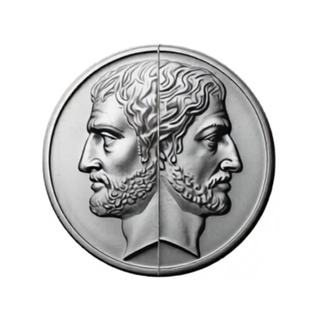
The nuclear renaissance is, above all, a battle over narratives and billions. On one side are corporations and governments that have already invested vast sums in nuclear power and must justify those investments. On the other hand, market data clearly shows that renewable energy is now the cheapest form of electricity generation and is becoming increasingly so. The decision for or against nuclear power is not purely technical; it is about power, money, and the question of who controls Europe’s energy future. YANUS will continue to follow this issue.