World War II Anniversaries: How Nations Shape Memory
Eighty years after the end of the war, countries around the world are commemorating their fallen soldiers, but there are also political messages behind the ceremonies. Who commemorates whom—and how—says a lot about the present.
Vienna, April 19, 2026. World War II claimed between 70 and 85 million lives. Eight decades later, commemorative events around the globe keep the memory alive, yet the nature of that remembrance differs fundamentally. While Europe commemorates Liberation Day on May 8, Russia celebrates its victory over Nazi Germany on May 9. China, in turn, commemorates its victory over Japan on September 3. These different dates are no coincidence; they reflect national narratives that remain politically influential to this day.
Different nations, different cultures of remembrance
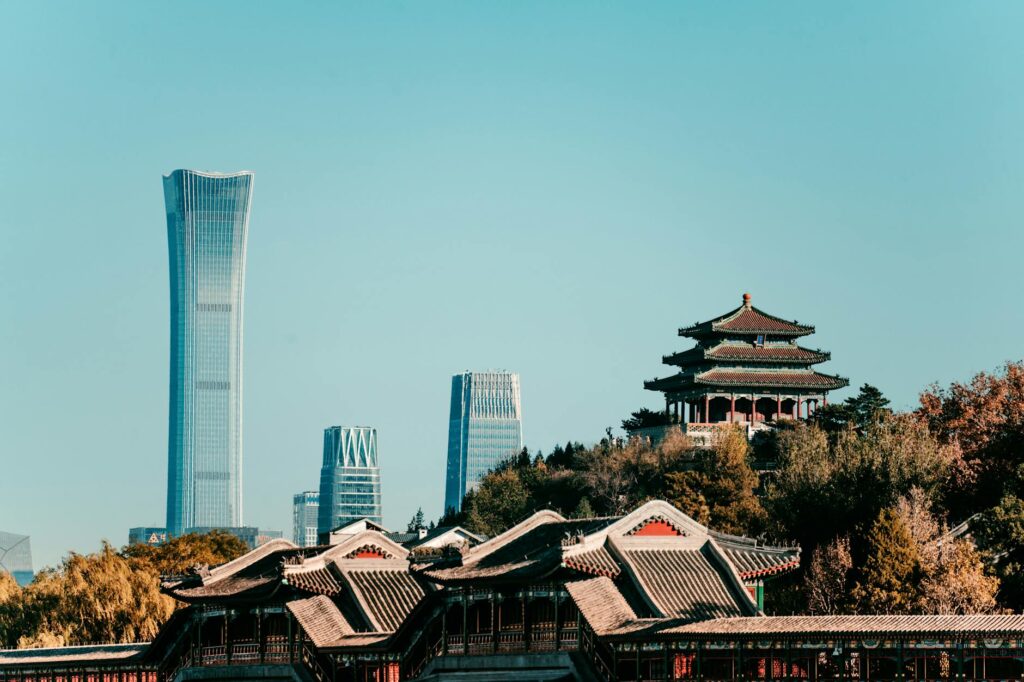
In China, September 3, 2014, was declared an official day of remembrance. On that day in 1945, Japan formally surrendered. The Chinese government emphasizes the country’s role as the main theater of the war in Asia, with an estimated 14 to 20 million civilian casualties. Memorial sites such as the Nanjing Massacre Museum commemorate Japanese war crimes and attract millions of visitors each year.
Russia presents May 9 as a central holiday celebrating national identity. The military parade on Red Square is a show of force that goes beyond mere commemoration. The United Kingdom observes Remembrance Day on November 11—the anniversary of the 1918 armistice—with two minutes of silence at 11:00 a.m. The United States celebrates Veterans Day on the same date, honoring living veterans. Memorial Day at the end of May, on the other hand, is dedicated to those who died in service.
Austria's complicated relationship with history
For Austria, May 8 remains an ambivalent date. For a long time, the “victim narrative”—that the country was the first victim of Nazi Germany—dominated public discourse. It was not until 1991 that Chancellor Franz Vranitzky acknowledged the shared responsibility of Austrians for Nazi crimes. Today, the Republic commemorates the day with wreath-laying ceremonies and speeches, but May 8 is not a uniform national holiday. The debate over this issue flares up regularly.
Germany, in turn, has developed an intensive culture of coming to terms with the past. Volkstrauertag in November commemorates all war victims. Holocaust Memorial Day is January 27th, the day Auschwitz was liberated. This differentiation shows: Commemoration is never neutral; it is always also an act of self-definition.
When history becomes a weapon
In times of geopolitical tension, the politics of memory are exploited. Russia’s Kremlin uses the victory of 1945 to legitimize its current policies. China cites Japanese war crimes when territorial conflicts in the South China Sea escalate. Japan itself is grappling with the question of how to commemorate fallen soldiers; visits by politicians to the controversial Yasukuni Shrine regularly cause diplomatic friction with neighboring countries.
Historians warn: If commemoration primarily serves present-day politics, it loses its cautionary function. The victims are degraded into extras in national narratives.
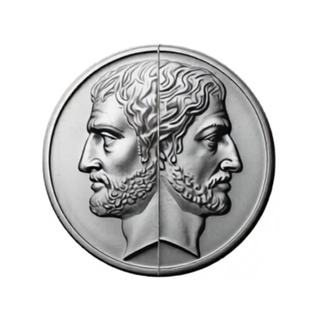
The Two Sides of Power
Memorials and holidays are both places of mourning and political tools. They can bring people together or drive them apart; they can educate or manipulate. The way nations commemorate their dead reveals their self-image and their intentions for the future. In a world where war has returned to Europe, the question takes on new urgency: Do we remember to serve as a warning, or to mobilize? YANUS continues to explore this topic.