Commemorating World War II: How Nations Honor Their Dead
80 years after the end of the war, each nation maintains its own culture of remembrance. However, political messages for the present are also hidden behind the commemorations.
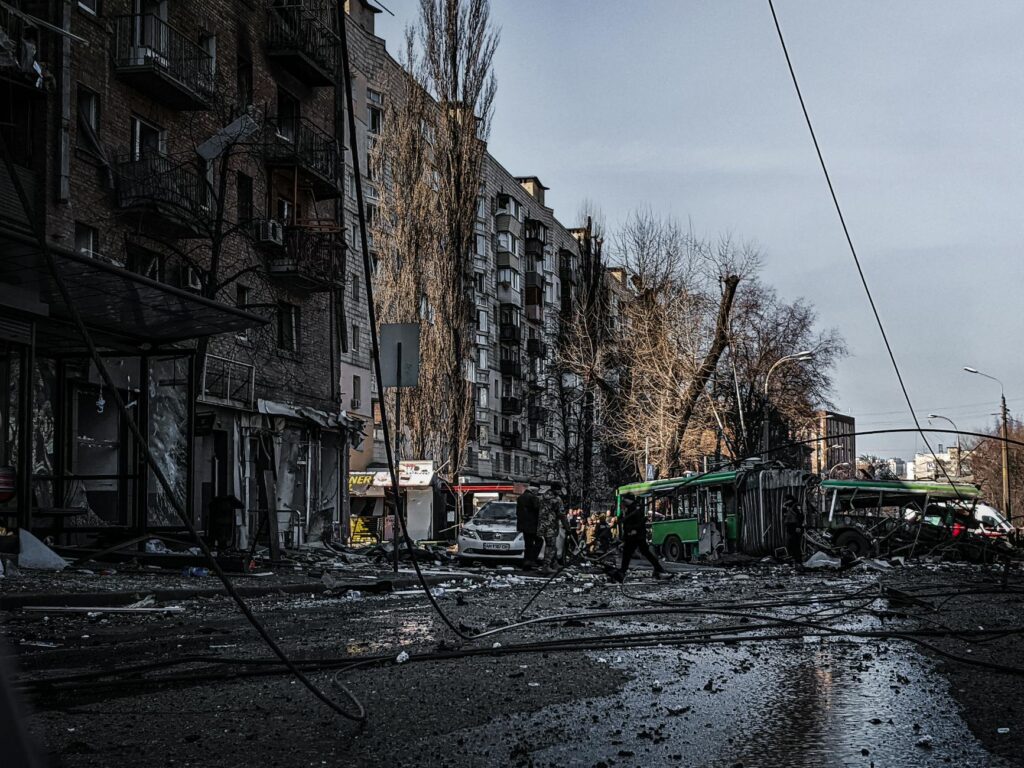
Vienna, April 21, 2026. World War II claimed between 70 and 85 million lives. Eight decades later, the former belligerents are still grappling with the appropriate way to commemorate the war. While May 8 is celebrated in Europe as Liberation Day, Russia marks May 9 with military parades. China commemorates its victory over Japan on September 3. This culture of remembrance reveals not only historical wounds but also current geopolitical tensions.
Europe's Divided Memory
In Western Europe, remembrance of the victims of the Holocaust and resistance to fascism dominates. France celebrates May 8th as a national holiday, while Great Britain commemorates all fallen soldiers on Remembrance Day in November. Germany holds a special position: May 8th was only officially recognized as Liberation Day in 1985 by Federal President Richard von Weizsäcker. In Austria, April 27th is significant as the Declaration of Independence Day, but a unified day of remembrance for war victims is still lacking. Meanwhile, Eastern Europe grapples with a dual legacy: liberation from National Socialism seamlessly transitioned into Soviet occupation. Poland, the Baltic states, and Ukraine have fundamentally reoriented their culture of remembrance since 1989.
Asia's difficult legacy
China has designated September 3 as an official day of remembrance, marking the day of Japan’s surrender in 1945. In Nanjing, a monumental museum commemorates the 1937 massacre, in which, according to Chinese sources, over 300,000 civilians were murdered. Japan itself observes August 15 as a day of remembrance, marking the day Emperor Hirohito announced the surrender. These differing perspectives continue to strain relations to this day. Visits by Japanese politicians to the controversial Yasukuni Shrine, where convicted war criminals are also honored, regularly trigger diplomatic crises. South Korea, for its part, celebrates August 15 as Liberation Day from Japanese colonial rule. These historical conflicts overshadow economic and security interests in a region that today lies at the center of global power shifts.
Commemoration as a Political Instrument
The nature of remembrance is never neutral. Russia’s grandiose Victory Day parades on May 9 have long served to bolster domestic political legitimacy and, since 2022, have increasingly been exploited to justify the war in Ukraine. China also uses the commemoration of Japanese war crimes to historically underpin its territorial claims in the East and South China Seas. At the same time, historians worldwide are calling for a more nuanced reappraisal. The role of colonial troops from Africa and Asia who fought for European powers is only slowly finding its way into the official culture of remembrance. The fate of the so-called “comfort women”—Korean and Chinese women forced into prostitution in Japanese military brothels—also remains an unresolved chapter.
The Two Sides of Power
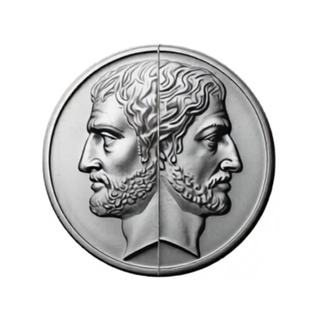
Memorials and holidays keep the memory of unimaginable suffering alive. But they also serve as a canvas for contemporary politics. Whoever holds the authority to interpret history shapes a nation’s self-image and legitimizes decisions for the future. In a world where war has returned to Europe and new conflicts loom in Asia, the question becomes increasingly pressing: Do we remember to serve as a warning, or to mobilize? YANUS continues to explore this topic.