
China's Exoskeleton Revolution: When Machines Give Us Legs
The startup Hypershell wants to bring.
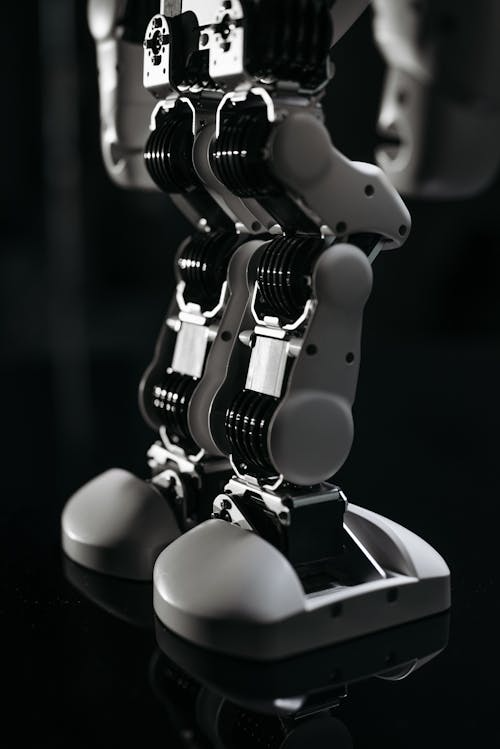
Vienna, May 3, 2026 – A Chinese startup is aiming for the mass market of wearable robotics. Hypershell is developing lightweight exoskeletons for everyday use, focusing on lower limb support. The system combines compact motors with sensors to provide additional power for walking or climbing.
From rehab to the mountain
Exoskeletons were long considered medical aids or military gadgets. Hypershell takes a different approach. The company targets outdoor enthusiasts, hikers, and people with physically demanding jobs. The devices weigh only a few kilograms and can be put on like a backpack strap. Sensors detect movement patterns and automatically activate motor support. The system engages on inclines or with heavy loads. Battery power is sufficient for tours lasting several hours.
The technology comes from Shenzhen, the global hub for hardware innovation. Hypershell benefits from the dense supply chain and short development cycles. Initial models cost under 1,000 euros. This places the price significantly below medical exoskeletons, which often cost 50,000 euros or more.
Opportunities for Austria's Outdoor Industry
Opportunities are opening up for Austria's outdoor industry. The country is a European hotspot for hiking, skiing, and mountain sports. Manufacturers like Atomic, Fischer, and Salewa know the needs of alpine users. A collaboration with Chinese exoskeleton companies could lead to innovative products.
Initial contact has already been made. Several Asian providers presented themselves at the 2025 outdoor trade show in Friedrichshafen. Austrian buyers showed interest. The domestic specialist trade is closely monitoring the market. The devices could become particularly attractive for older mountaineers and people with joint problems.
The Alpine Republic also possesses research expertise. Teams at the Graz University of Technology are working on biomechanical systems. The Ars Electronica Futurelab in Linz is experimenting with wearable technologies. A transfer of know-how between Chinese startups and Austrian researchers would be conceivable.
Global Race for the Body
Hypershell is not alone. Companies worldwide are investing in human augmentation. Samsung, Panasonic, and various US startups are working on similar products. The market for wearable robotics could grow to $8 billion by 2030. China is positioning itself as a leading manufacturer and innovator.
The new Silk Road plays a role in this. Chinese products reach Europe faster via improved logistics routes. For Austrian traders, import times and costs are decreasing. At the same time, Chinese companies are looking for European partners for design and distribution.
The Two Sides of Power
Exoskeleton technology promises increased mobility and reduced physical strain. Elderly people could remain active longer. Workers in logistics or care would be relieved of burden. However, dependence on Asian manufacturers is growing. Europe risks falling behind in a key technology. Whoever controls the hardware also controls the data on human movement patterns. Austrian companies should get involved now before the market is divided. The chance to play a shaping role diminishes with each year of waiting.
YANUS continues to observe the development.
Source: TechNode | Original Article