
BYD Raises Prices for Driver-Assistance Systems – Chip Shortage Reaches Electric Cars
Rising memory chip costs are forcing China's largest electric car maker to adjust prices. What this means for European buyers and Austrian suppliers.
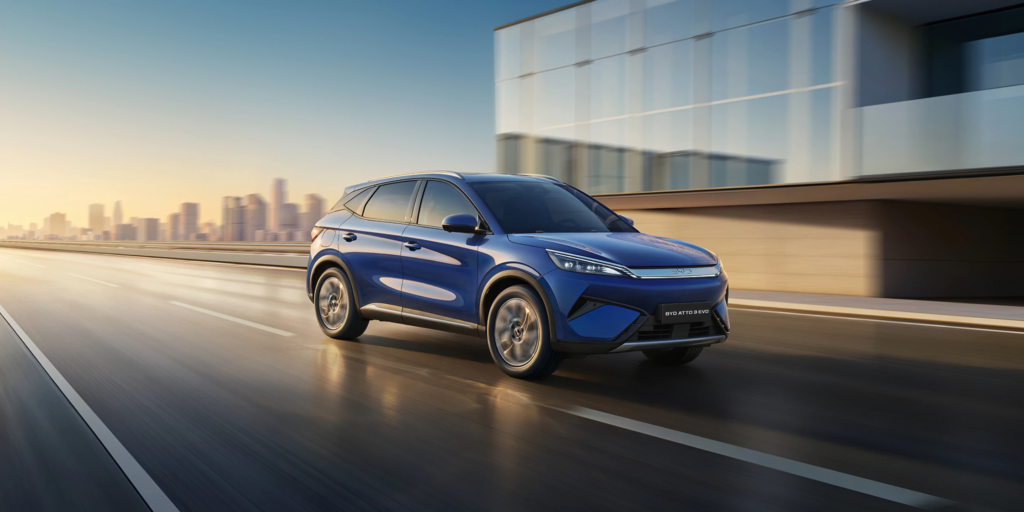
Vienna, April 29, 2026 – BYD, the world's largest electric vehicle manufacturer, has increased the prices for its premium driver assistance system DiPilot 300 by 21 percent. The system now costs 12,000 yuan (approximately 1,760 euros) instead of 9,900 yuan (around 1,450 euros). The reason: exploding costs for memory chips on the global market.
The price increase marks a turning point. So far, the global chip shortage has primarily affected smartphone manufacturers. Now it's reaching the booming e-car sector. BYD is reacting to a development that also affects European manufacturers and suppliers.
Memory chips as the auto industry's Achilles' heel
Modern driver assistance systems require enormous processing power. Cameras, sensors, and AI algorithms process millions of data points per second. This requires powerful memory chips. Global demand currently significantly exceeds supply.
Although BYD produces its own batteries and semiconductors, it remains dependent on external suppliers for memory chips. Samsung, SK Hynix, and Micron dominate this market. The three corporations control over 90 percent of global production.
For BYD, the price increase is still a calculated risk. The DiPilot system is considered one of the most advanced on the market. It enables semi-autonomous driving on highways and in cities. Buyers appreciate this feature, and the surcharge is unlikely to curb demand.
Austria's Suppliers in a Dilemma
For Austrian companies, the development harbors both opportunities and risks. AT&S from Leoben manufactures printed circuit boards for the automotive industry and also supplies Asian manufacturers. Rising chip prices could strain profit margins, while demand for high-quality components from Europe is growing.
AVL List from Graz has been working with Chinese car manufacturers for years. The company develops drive systems and software for electric vehicles. The trend towards increasingly complex driver assistance systems plays into the hands of the Styrian engineering firm.
The semiconductor manufacturer Infineon Austria could also benefit. Power semiconductors for e-cars are manufactured at the Villach site. The current shortage of memory chips could help European producers gain market share.
China invests in chip independence
BYD's price increase highlights China's strategic vulnerability in the semiconductor sector. Beijing has reacted and is pumping billions into building its own memory chip industry. YMTC and CXMT are intended to reduce dependence on foreign suppliers.
It will take years for these factories to reach full capacity. For BYD, this means costs will remain high. The company sold over four million vehicles in 2025, putting it ahead of Tesla. The price increase for the DiPilot system is unlikely to jeopardize this successful trajectory.
For European consumers, BYD remains attractive. The Seal, Dolphin, and Atto 3 models cost significantly less than comparable German electric cars. Even with more expensive driver-assistance systems, BYD offers strong value for money.
The Two Sides of Power
BYD's price increase shows the fragility of global supply chains. The world's most powerful electric car manufacturer cannot control the costs of critical components. At the same time, the company is proving its pricing power to its customers. For Austria's economy: those who want to play a role in the semiconductor value chain must invest now. The chip crisis will not be the last.
YANUS continues to observe the development.
Source: News – South China Morning Post | Original Article