Bessent's ‚little pain‘: Who pays for America's Iran adventure?
U.S. Treasury Secretary Bessent speaks of a 'little bit of economic pain' for the sake of security against Iran. What he doesn't say: It is the Europeans, above all, who are feeling the pain, while America reaps the benefits.
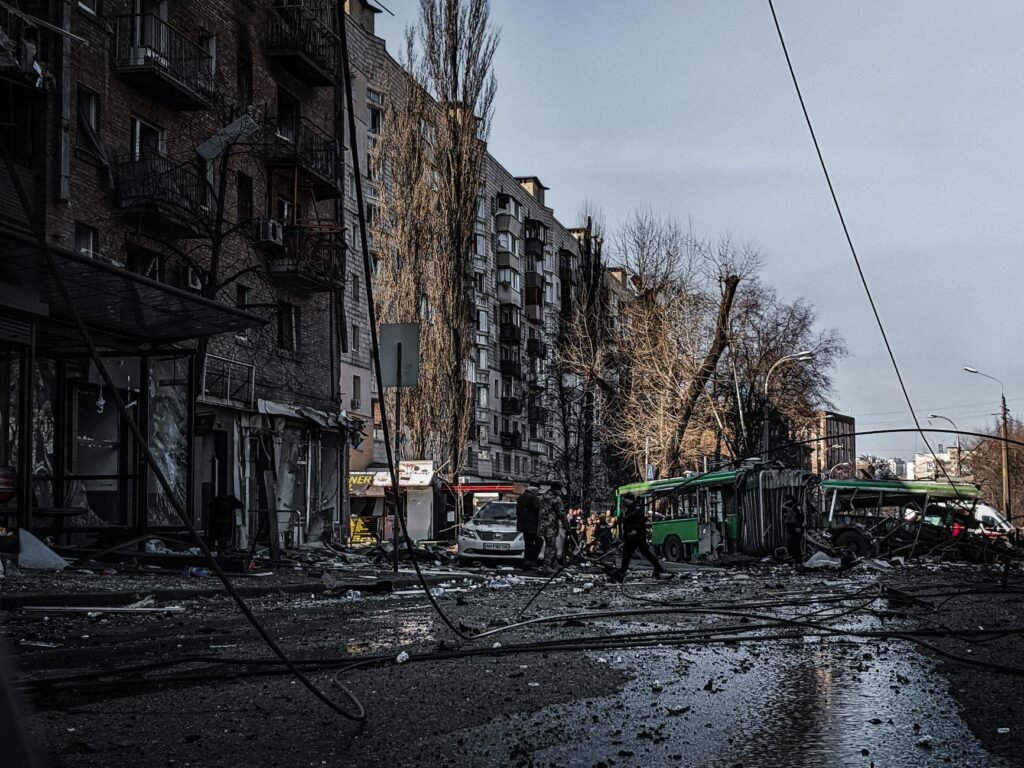
Vienna, April 15, 2026. When an American Treasury Secretary talks about ‚a little pain,‘ Europeans had better hold on to their wallets. Scott Bessent told the BBC with disarming candor that economic losses are an acceptable price to pay to keep Iranian missiles away from Western capitals. What he failed to mention: The pain will be distributed extremely unevenly.
Others pay the bill
Bessent's calculation is both simple and brutal. The USA is intensifying the economic war against Tehran, threatening military strikes, and expecting unconditional obedience from its allies. But while American arms corporations are posting record orders, the escalation is hitting Europe hard. Austrian companies that still maintain legal trade relations with Iran are facing ruin. Energy prices are rising. Supply chains are groaning.
The US minister's ‚little pain‘ is existentially threatening for an Upper Austrian machine manufacturer or a Viennese small and medium-sized enterprise. Besser knows this. He is not interested.
Security as a Selling Point
The rhetoric of threats follows a familiar pattern. Iranian missiles targeting Vienna, London, and Paris—the scenario sounds apocalyptic and is intended to stifle any criticism. But how real is this threat? Experts at the Vienna Institute for International Politics warn against exaggeration. Iran has limited missile ranges and would be finished within hours if it launched a first strike against Europe. Tehran knows this.
So, what's really behind the Bessant offensive? Three factors: the American election campaign demands toughness in foreign policy. The US arms industry needs new markets after its involvement in Ukraine. And Saudi Arabia, Washington's most important Gulf partner, is pushing for maximum pressure against its arch-enemy.
Austria's difficult position
The situation is becoming complicated for Vienna. As a neutral country with a long diplomatic tradition—it’s no coincidence that the Iran nuclear talks took place here—Austria finds itself caught between two sides. Foreign Minister Schallenberg is treading carefully, the Chamber of Commerce is issuing quiet warnings, and the Chancellor’s Office is maintaining a resounding silence.
A clear voice is needed here. The EU as a whole is facing the question of whether it accepts American secondary sanctions which punish European companies. Brussels hesitates. Paris protests symbolically. Berlin traditionally cowers. And Vienna? Hides behind its supposed insignificance.
But Austria’s neutrality, in particular, could be an asset. An honest mediator between entrenched sides, a place for dialogue rather than escalation. That would require courage, however, and the willingness to contradict Washington for once.
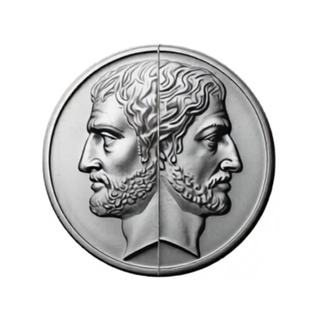
The Two Sides of Power
Scott Bessent sells fear as security and pain as the price of freedom. It’s the old logic of the superpower: America decides, the allies pay. Austria and Europe face a choice: to continue accepting this equation or to finally articulate their own interests. The U.S. secretary’s ‚little pain‘ could turn out to be a chronic affliction for the continent. YANUS will continue to critically monitor Austria’s position in this crisis.