Apple After Cook: The End of an Era Without Revolution
Tim Cook is leaving behind a trillion-dollar company, but no vision. The outgoing Apple CEO has managed Steve Jobs' legacy, not carried it forward.

Vienna, April 21, 2026. Tim Cook is stepping down. After nearly 15 years at the helm of Apple, the 65-year-old is handing over leadership of the world’s most valuable company. His track record is mixed: Under Cook, Apple became the first $3 trillion company in history. But the revolutionary fire that Steve Jobs ignited has long since died out.
The news of the CEO's withdrawal only briefly moved the markets. A sign of how predictable Apple has become under Cook. The operations expert turned the cult company into a perfectly oiled money machine. Innovation became iteration. The iPhone, once a symbol of disruptive technology, now appears year after year with marginal improvements.
The accountant in the creative corporation
When Cook took the helm from Steve Jobs in 2011, he inherited a company at the height of its creative power. With the iPhone, iPad, and iTunes, Apple had revolutionized entire industries. Cook knew how to capitalize on this legacy. Profit margins rose, supply chains became the gold standard in the industry, and the services business exploded.
But where was the next big thing? The Apple Watch—a success, but not a revolution. Apple TV+—a player in the field, but not a market leader. The much-hyped Apple Car was scrapped after ten years of development. The Vision Pro, Apple’s foray into mixed reality, is selling slowly. Too expensive, too heavy, too early, or too late.
Foundations for tomorrow, no visions for today
Apple's defenders point to the company's solid groundwork. The switch to its own processors was a masterstroke. The M-chips dominate the laptop market and give Apple strategic independence. The company has also caught up in the field of artificial intelligence, albeit belatedly.
For European consumers and businesses, Apple remains a double-edged sword. The products are convincing in their quality and durability. However, the closed ecosystems and the company's market power have kept regulators in Brussels busy for years. The Digital Markets Act is forcing Apple to open up, something Cook resisted until the very end.
In Austria, around 35 percent of smartphone owners use an iPhone. The domestic app economy is closely intertwined with Apple's platform. Every strategic decision in Cupertino has direct implications for developers in Vienna, Graz, or Linz.
Who succeeds the administrator?
The succession has not yet been officially announced. COO Jeff Williams and Services chief Eddy Cue are considered favorites. Both are Cook loyalists, not Jobs visionaries. Hopes for a radical change of course are likely to be in vain.
The tech industry is watching the transition with mixed feelings. Apple under Cook was reliable, profitable, and boring. Whether that's enough to remain relevant in the age of the AI revolution will be up to the next generation of leadership to prove.
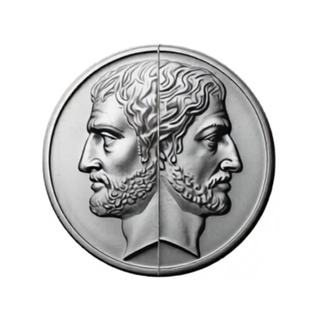
The Two Sides of Power
Tim Cook made Apple rich, but not richer in ideas. He perfected what already existed instead of venturing into new territory. That is the tragedy of a manager: they guard a legacy they cannot increase. The question of whether Apple will change the world again remains open. YANUS will continue to follow this topic.