Ceasefire extended: Why Tehran now has the upper hand
Donald Trump wanted to bring Iran to its knees, but now he himself has backed down. The extension of the ceasefire reveals an unexpected balance of power between Washington and Tehran.
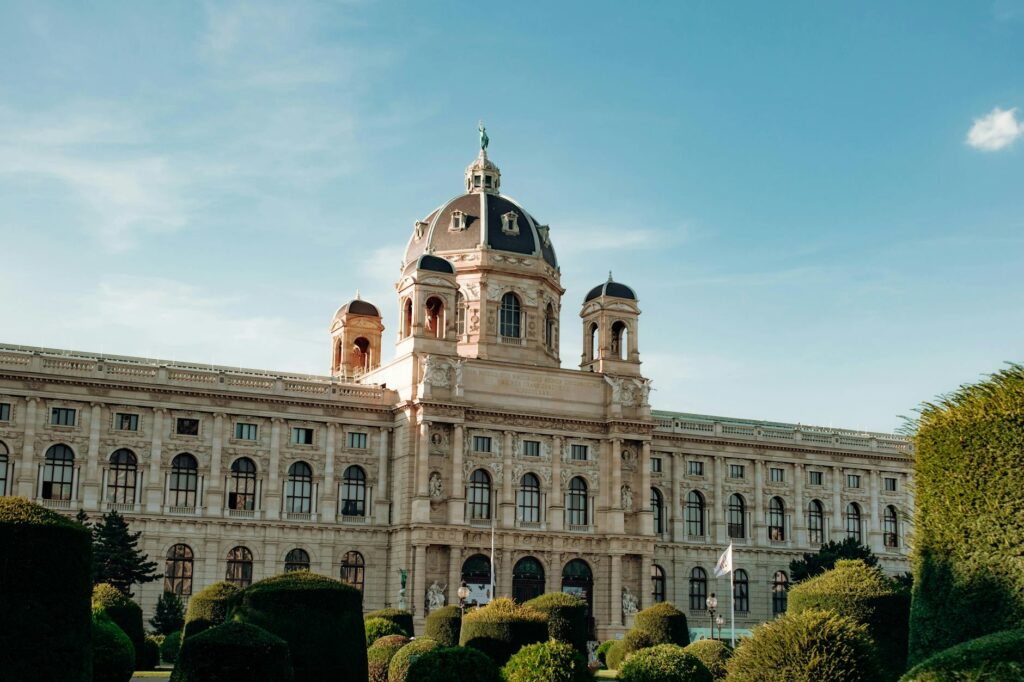
Vienna, April 22, 2026. The extension of the ceasefire between the U.S. and Iran is not a sign of American strength, but of Iranian tenacity. What began as a demonstration of U.S. resolve has, for the time being, ended in a tactical victory for the regime in Tehran. Donald Trump, who had threatened to take the toughest possible action, was forced to back down, and the mullah regime knows this very well.
The poker game for time and face
The original ceasefire was intended to put pressure on Iran to force it into negotiations over its nuclear program. But Tehran played for time. The Iranian leadership made a cold, calculated assessment: Trump needs a foreign policy success before the midterm elections more than Iran needs a quick deal. That calculation paid off. While Washington hoped for swift concessions, Tehran remained stoic. No panic, no hasty offers. The Revolutionary Guards signaled their readiness for battle, while the diplomats smiled politely and bided their time.
Europe's Uncomfortable Spectator Role
For the European Union—and thus also for Austria—this development is a double-edged sword. On the one hand, every extension of the ceasefire means a reduced risk of escalation in the Persian Gulf. Energy prices remain stable, and trade routes stay open. On the other hand, it is once again evident that Europe has little influence in this geopolitical chess game. Vienna, Berlin, and Paris are watching as Washington and Tehran dictate the rules of the game. The EU had pinned its hopes on a revival of the nuclear deal. Now it must stand by and watch as bilateral deals are negotiated over its head. Austria’s traditional role as a mediator—the IAEA is headquartered in Vienna—is increasingly being sidelined in the process.
Trump's Dilemma: Show Strength, but Don't Shoot
The U.S. president is caught in a trap of his own making. From the very beginning, his rhetoric was geared toward confrontation. But an actual military strike against Iran would be risky domestically and devastating in terms of foreign policy. The American public is war-weary, and allies in Europe are skeptical. So Trump’s only option is to drag things out and hope for an Iranian mistake that offers him a way out. Tehran, on the other hand, just has to hold out. The regime has experience in weathering international isolation. Decades of sanctions have toughened the leadership. It seems the Iranians are indeed the ones with the stronger nerves.
What Iran Really Wants
Tehran's goal is not open conflict, but gradual recognition as a regional power. Every negotiation on equal footing, every extension instead of escalation strengthens this position. Iran wants sanctions relief without substantial concessions on its nuclear program. The current dynamic plays into its hands. For Europe, this means: the nuclear question remains unresolved, instability in the Middle East chronic, and dependence on American decisions persists.
The Two Sides of Power
The extended ceasefire reveals both sides of power: America’s military superiority, which is nonetheless reaching its limits, and Iran’s strategic patience, which projects strength from a defensive position. For Austria and Europe, the uncomfortable reality remains: In this game, we are spectators, not players. YANUS continues to monitor developments in the Persian Gulf.