Hungarian Election: When the Fridge is Emptier Than the Slogans
Viktor Orbán was considered unbeatable. Now, of all things, the economy has brought him down. A lesson that should also be heard in Vienna, on all sides of the political spectrum.
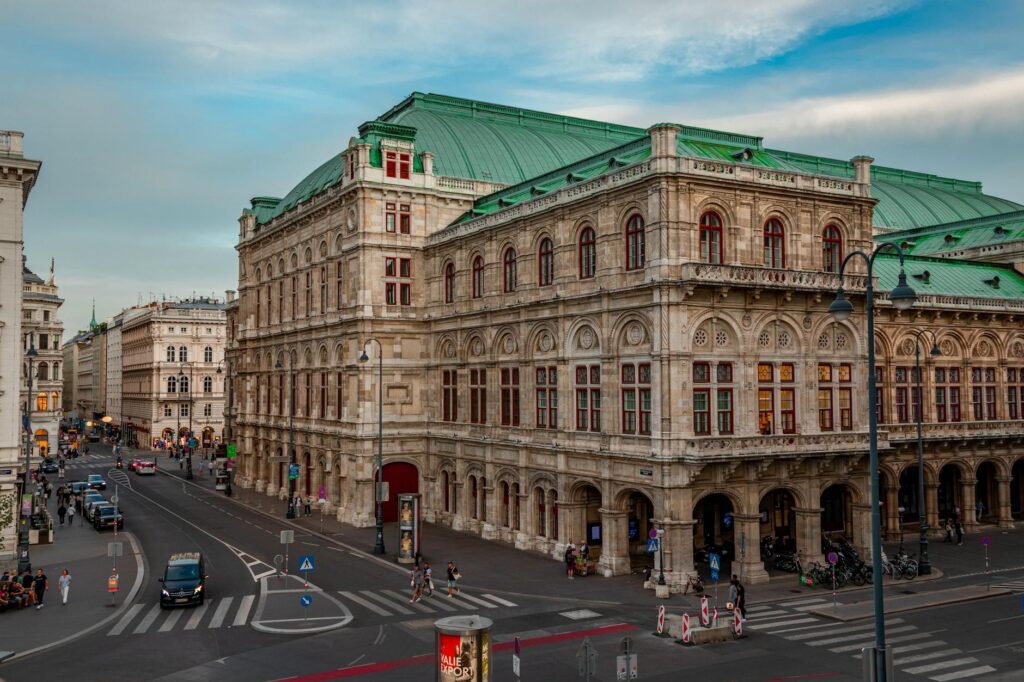
Vienna, April 14, 2026. The man who had been making a fool of Europe for years ultimately failed at the hands of his own people. Viktor Orbán, who styled himself as a defender of Christian Occident, was not toppled by Brussels, not by George Soros, and not by liberal global conspiracy. But by the price of milk, bread, and heating. Hungarian voters have spoken, and their message is as old as democracy itself: ideology fills no stomachs.
The End of an Illusion
For fourteen years, Orbán perfected his system. State media brought into line, judiciary brought under control, EU funds diverted into the pockets of loyal oligarchs. The West was outraged, the opposition despaired, and Orbán won election after election. His recipe seemed infallible: create cultural enemies, demonize migration, present himself as the nation's sole protector.
Yet while Orbán railed against Brussels, inflation rose above 25 percent. While he fought LGBT propaganda, tens of thousands of young Hungarians left the country. While he invoked sovereignty, the forint became a soft currency. People in Debrecen and Miskolc eventually realized: the strong man is strong in everything except in securing their standard of living.
The lesson for Austrian politics
What does this mean for the Alpine republic? First, an uncomfortable truth for all who believed right-wing populism to be a law of nature: it is not. Herbert Kickl and his FPÖ should take a close look as well. The methods are interchangeable, the enemy images, the victim narratives, the permanent outrage machinery. But when the account is empty at month's end, the question „Who protects us from the foreigners?“ is replaced by „Who pays my bill?“
Yet the lesson applies equally to ÖVP, SPÖ, and Greens. Orbán could govern for so long because the opposition was fragmented, lacking ideas, and seemed out of touch. Because established parties ignored people's real concerns or dismissed them as populist. Whoever wants to fight right-wing populism must offer more than moral superiority. They must deliver, on wages, rents, energy prices, healthcare.
Europe's Crossroads
Brussels will celebrate Orbán's defeat as a victory for European values. That is at best half the truth. The EU allowed Hungary free rein for years, transferred billions while democracy was dismantled. Sanctions came too late, were too timid, often hit the wrong targets. That Orbán is now leaving is not Brussels' achievement; it is the achievement of Hungarian citizens who, despite all propaganda, recognized the difference between words and reality.
The real danger to Europe's democracies is not the loud populist. It is creeping acceptance of empty promises from all sides. When moderate parties are no longer able to achieve tangible improvements, people will continue to search for alternatives. And the next alternative could be even more radical than Orbán.
The Two Sides of Power
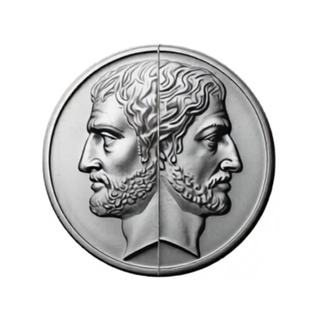
Viktor Orbán showed how to come to power through fear and division. His fall now shows that this power has limits, where it meets reality. The lesson is simple and brutal: politics must improve people's lives, not merely serve their prejudices. Whoever forgets this will sooner or later be corrected by their own people. YANUS will observe whether this lesson reaches Vienna, among the populists and those who think themselves better.