Chernobyl: 1,000 cancer deaths in Austria – and 40 years of silence
Nearly four decades after the meltdown, new calculations reveal the true extent of the catastrophe for Austria. Why were these figures downplayed for so long, and who had an interest in doing so?
Vienna, April 18, 2026. The numbers are sober, their meaning is not: The Chernobyl reactor disaster will have caused around 1,000 additional cancer cases in Austria alone by 2065. Half of that, 500 cases, had already occurred by 2008. People fell ill, people died. And the official version? For decades, it was played down.
The radioactive cloud did not stop at borders
On April 26, 1986, reactor 4 exploded in Chernobyl, Ukraine. The radioactive cloud drifted over half of Europe, hitting Austria with full force. The east and south of the country were particularly heavily contaminated. Cesium-137 rained down on fields, forests, and playgrounds. Authorities initially reacted hesitantly. Schoolchildren were still playing outdoors when it had long been clear that radiation levels had reached dangerous values.
The now published calculations confirm what critical scientists have emphasized for years: the long-term health consequences have been systematically underestimated. 1,000 additional cancer cases mean 1,000 fates, 1,000 families confronted with diagnoses such as thyroid cancer, leukemia, or solid tumors.
Who had an interest in downplaying it?
The question imposes itself: Why were these connections downplayed for so long? The answer leads into a web of political and economic interests. The international nuclear lobby, above all the IAEA based in Vienna, had no interest in figures that would shake the narrative of „manageable“ nuclear power. Studies that suggested higher casualty figures were marginalized or dismissed as unscientific.
National interests also played a role within Europe. France, which obtains 70 percent of its electricity from nuclear power, had little motivation to publicly address the long-term consequences of reactor accidents. Germany oscillated for decades between phasing out nuclear power and its renaissance. And Austria? The country that decided against nuclear power in a referendum in 1978 paradoxically became one of the most affected states.
The forgotten victims and their families
Particularly bitter: Many affected people still don't know today that their illness may be traceable to Chernobyl. Official recognition as radiation victims? Practically nonexistent in Austria. Compensation? None to be found. The 1,000 additional cancer cases are statistical figures, but behind every number stands a person who will never learn whether the tumor in their thyroid is connected to that April in 1986.
The calculations also show: the danger has not been averted. Further diagnoses will follow by 2065. The latency period for radiation-induced cancers can be decades.
The Two Sides of Power
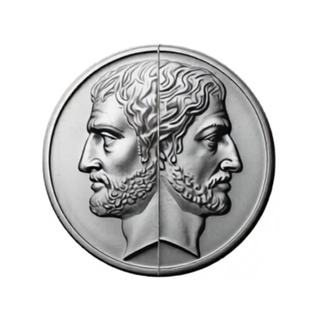
Chornobyl reveals the two faces of nuclear power: the supposedly clean energy on one side, and the silenced victims on the other. While the EU recently classifies nuclear power as „green“, people are dying from the consequences of an accident 40 years ago. The 1000 Austrian cancer cases are no coincidence, but a warning sign. YANUS will ask the question that others shy away from: Who takes responsibility, and who pays the price?