
Russia escalates air strikes: Seven dead in Ukraine
While Europe debates peace negotiations, people are dying in their homes in Dnipro. The Kremlin continues its war of attrition against the civilian population unabated.
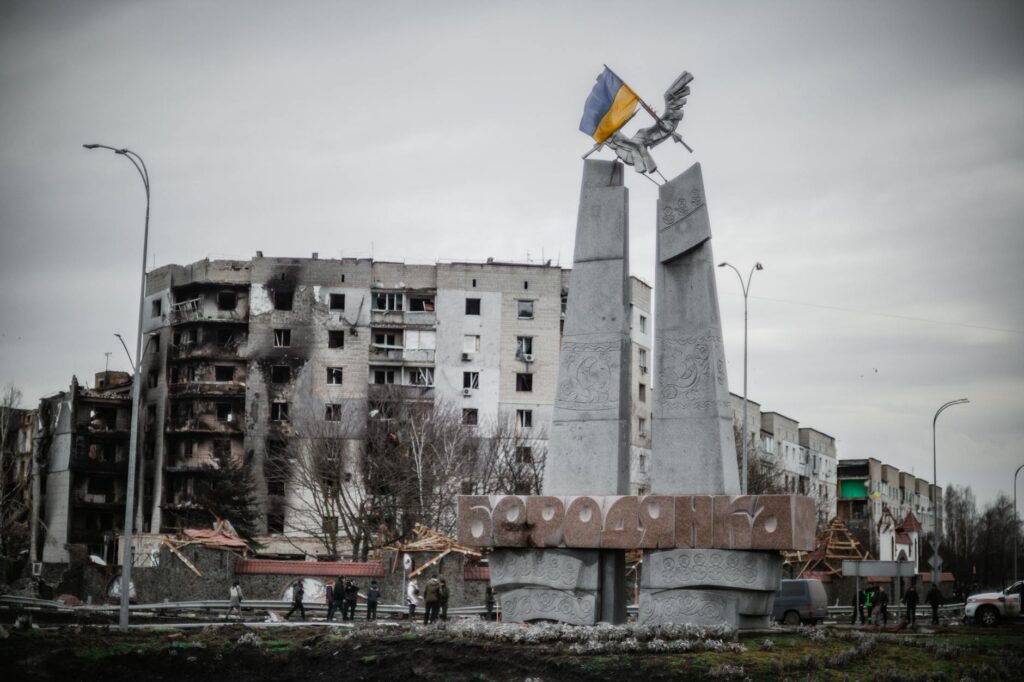
Vienna, April 25, 2026. Overnight, Russia carried out one of the heaviest airstrikes on Ukraine in recent weeks. At least seven people were killed, with the city of Dnipro bearing the brunt of the attack. There, a missile struck a residential building, killing four residents, including children, according to initial reports. Ukrainian air defenses were unable to intercept all the missiles.
Targeted attacks on civilian infrastructure
The attack was carried out using a combination of cruise missiles and Iranian Shahed drones. Besides Dnipro, other regions were also attacked. Ukrainian authorities are speaking of a coordinated strike on several cities simultaneously. Rescuers worked for hours to pull people buried in debris. Dozens of people were injured, with some still in critical condition.
Dnipro, an industrial city with over a million inhabitants, is located far from the front lines. This is precisely what makes the attacks so telling: Moscow is deliberately targeting places that believe themselves to be in supposed safety. The psychological impact is part of the strategy.
Europe Between War Weariness and Solidarity
For Austria and the European Union, the attack raises uncomfortable questions. The debate over a possible negotiated solution has gained momentum in recent months. Calls for an end to arms deliveries are growing louder, including in Vienna. While the chancellor and the Foreign Ministry continue to emphasize their support for Ukrainian sovereignty, they are holding back on concrete aid measures.
The reality on the ground stands in stark contrast to some diplomatic hopes. As long as Russia continues to bomb residential buildings, a negotiated peace on equal terms seems illusory. At their next meeting, EU foreign ministers will discuss further sanctions. Whether these will have any effect on the Kremlin remains questionable, as the Russian arms industry is operating at full capacity despite the embargoes.
Austria's difficult neutrality
The Austrian position remains complicated. As a neutral state, Vienna does not supply weapons but participates in EU sanctions against Moscow. The domestic economy feels the consequences: energy prices, inflation, interrupted supply chains. At the same time, pressure is growing to provide more humanitarian aid. Over 90,000 Ukrainian refugees are now living in Austria.
The images from Dnipro will reignite the debate. How long can Europe stand by and watch? And what does neutrality mean when civilians are dying just a few hours' flight away? These questions will also occupy the Austrian National Council in the coming weeks.
The Two Sides of Power
With attacks like these, Moscow is demonstrating strength—and at the same time revealing weakness. Anyone who bombs residential buildings has long since given up hope of achieving military victories on the front lines. For Europe, the attack serves as a reminder: The war in Ukraine is not over just because it has disappeared from the headlines. The seven people killed that night are not mere statistics. They are the price of an act of aggression that has also fundamentally altered Austria’s security architecture. YANUS will continue to cover this story.