
Beijing tests high-speed internet from space
China is testing ultra-fast data transmission technologies in orbit with the 25th communications satellite. The race for the next generation of satellite networks is gaining momentum.
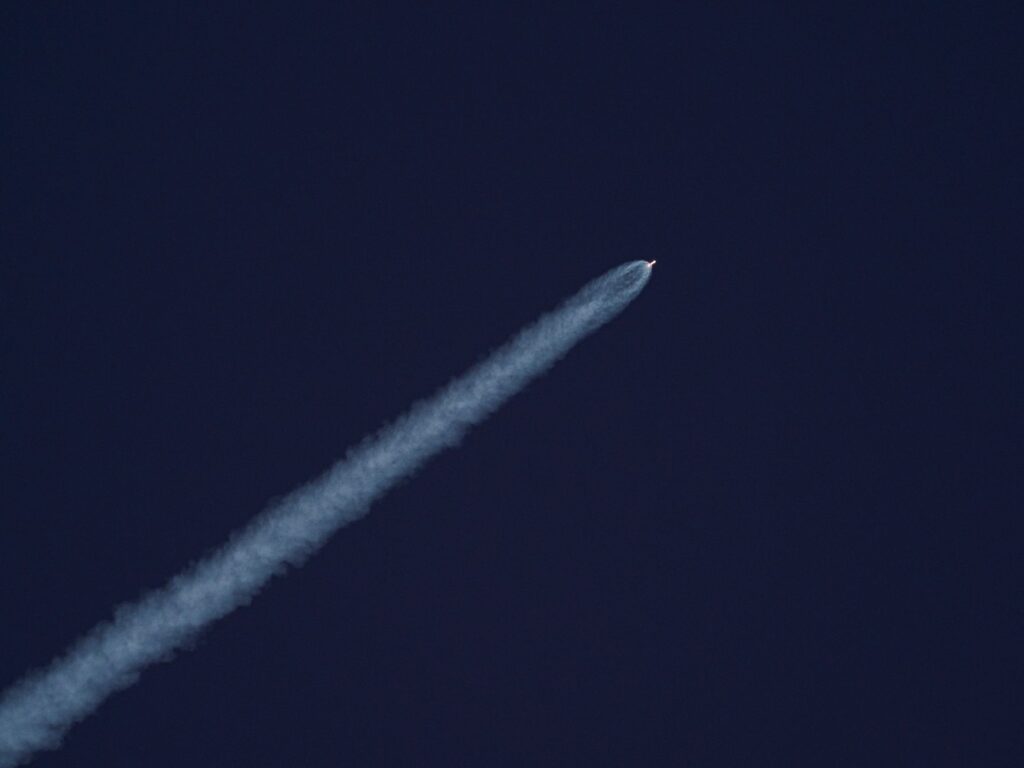
Vienna, June 11, 2026 – China launched a new test satellite into space on Thursday, which is intended to lay the foundation for significantly faster and more reliable satellite communication. The launch from the Wenchang Space Launch Site on the southern Chinese island of Hainan marks another step in the global race for supremacy in next-generation communication networks.
Long March 5 rocket launches test platform into orbit
At 3:30 PM local time, a Long March 5 rocket launched with the communication technology test satellite No. 25 on board. According to state television, the satellite is primarily intended to validate technologies for multiband and high-speed communication in orbit. The specific data rates targeted were not disclosed, but experts suspect tests in the range of several gigabits per second. The Long March 5 is among China's most powerful launch vehicles and is regularly used for strategically important missions.
China's ambitions in satellite internet are growing
The new test satellite is part of Beijing's broader strategy to build its own mega-constellation for global internet. Project Guowang envisions nearly 13,000 satellites and is considered a direct response to SpaceX's American Starlink network. While Starlink already operates over 6,000 active satellites, China's system is still in the construction phase. The technologies tested now could significantly accelerate data transmission between satellites as well as to Earth. This speed is crucial for a functioning mega-constellation network.
What does this mean for Europe and Austria?
The EU is also pursuing the establishment of its own satellite constellation with the Iris² project, but is lagging behind in terms of time. This presents two scenarios for Austrian companies: on the one hand, Chinese providers could offer inexpensive alternatives for satellite communication in the future, for example for the logistics industry or rural regions with weak internet connectivity. On the other hand, concerns about data security when using Chinese infrastructure are growing. Austrian suppliers to the European space industry, for example in the field of precision optics, could benefit from increased European commitment.
The Two Sides of Power
China's satellite test demonstrates impressive technological capabilities. The country has drastically narrowed its gap in space technology over the past two decades. At the same time, the development raises questions: Will future global internet be controlled by two or three superpowers? What dependencies will arise for smaller states? The lack of transparency regarding military applications of the technology intensifies the skepticism of Western observers. Europe faces a choice between pragmatic cooperation and strategic autonomy, which, however, costs billions.
Source: China – South China Morning Post | Original Article