
How Central and Eastern Europe differ in their approach to China
From Prague to Budapest: Why the region reacts to China anything but uniformly.

A new analysis by the think tank CHOICE (Central Europe Institute of Asian Studies) shows how differently the Central and Eastern European states shape their China policy.
The author Ivana Karásková and other analysts have, in a pilot project, examined which external factors and domestic political dynamics shape the respective strategic decisions of the countries.
At the core is the question why neighboring states with similar geographic location and economic size take such different paths in dealing with Beijing.
Different starting conditions in the region
The countries studied, including the Czech Republic, Slovakia, Poland and Hungary, have very different economic ties with China.
While Hungary has deliberately attracted Chinese investment in recent years, for example in the battery sector with the plant of manufacturer CATL in Debrecen, other states in the region pursue a more cautious course.
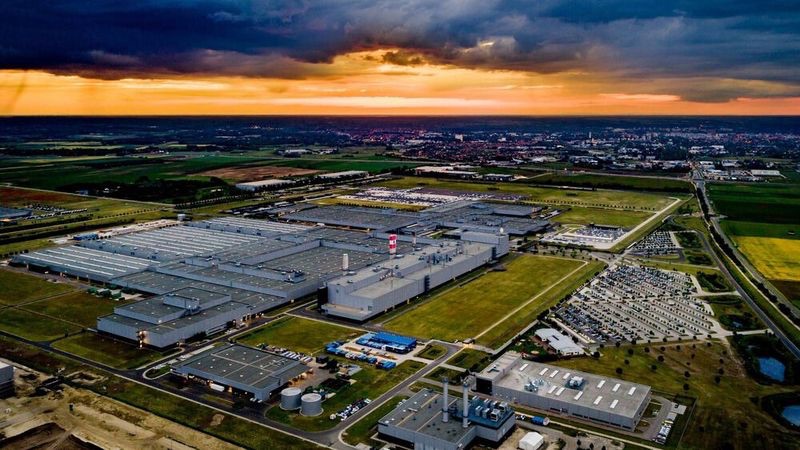
The CHOICE analysis attributes this to a combination of historical experiences, domestic political majorities and the respective dependence on export markets.
External pressure and domestic political responses
The study distinguishes between external pressure, for example from EU institutions or the United States, and the domestic processing of this pressure in the respective capitals. According to the authors, governments with different coalitions and economic priorities react very differently to the same foreign policy signals. This diversity makes it difficult to speak of a unified stance of Central and Eastern Europe towards China, as it is sometimes simplistically presented in debates.
Strategic decisions compared
A central finding of the analysis is that strategic decisions are rarely made based on a single motivation. Economic calculations, such as hopes for Chinese investments in infrastructure or industry within the Belt and Road Initiative, intersect with security considerations and the commitment to European and transatlantic alliance structures.
The authors emphasize that this mix resolves differently from country to country, depending on historically developed relationships and current government configurations.
For Austria, the different China strategies of neighboring countries result in concrete economic touchpoints. Austrian companies such as voestalpine, Andritz AG or the large GWP Cargo Terminal in Styria are embedded in supply chains that include both Central European production sites and Chinese suppliers and customers.
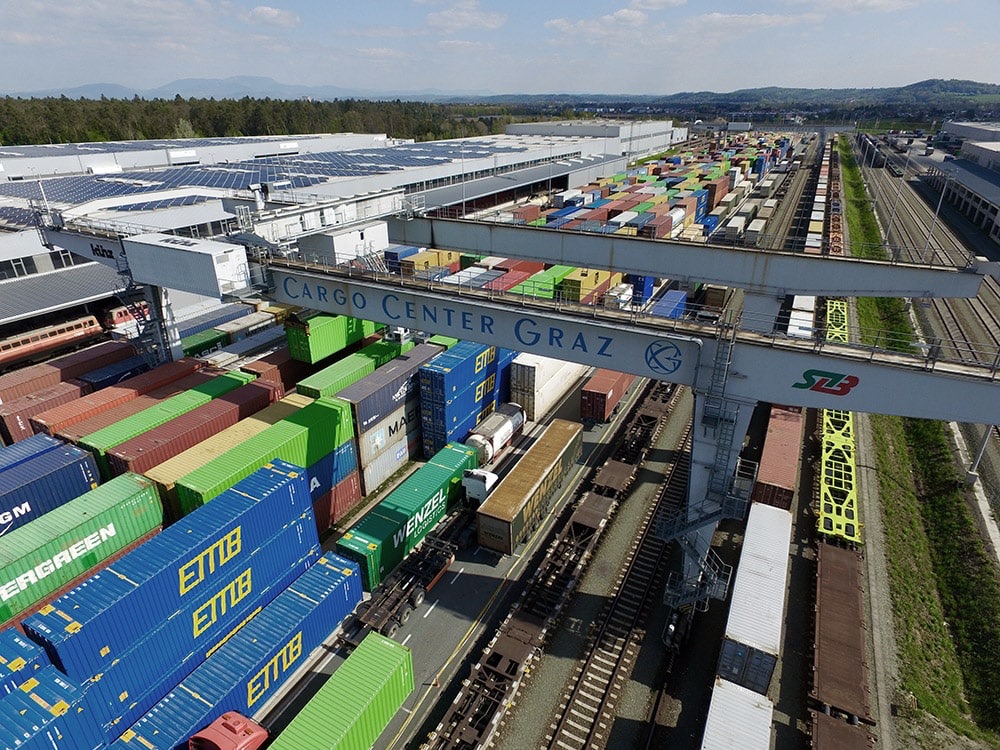
The settlement of Chinese investors in Hungary or Slovakia, for example in the field of battery production for e‑mobility, has an immediate impact on the competitive situation of domestic suppliers in the automotive and supplier industry, which is closely intertwined with these markets.
The Austrian Economic Chamber estimates the bilateral trade volume between Austria and China for 2025 at around 23 billion euros, a figure also influenced by regional conditions in neighboring countries.
Source: chinaobservers | Original Article