
Generation's Nursery: When Living Becomes a Luxury
More than one in three young men in the United Kingdom are living with their parents again. What appears to be a British problem has long since become a European time bomb, and Austria is part of it.
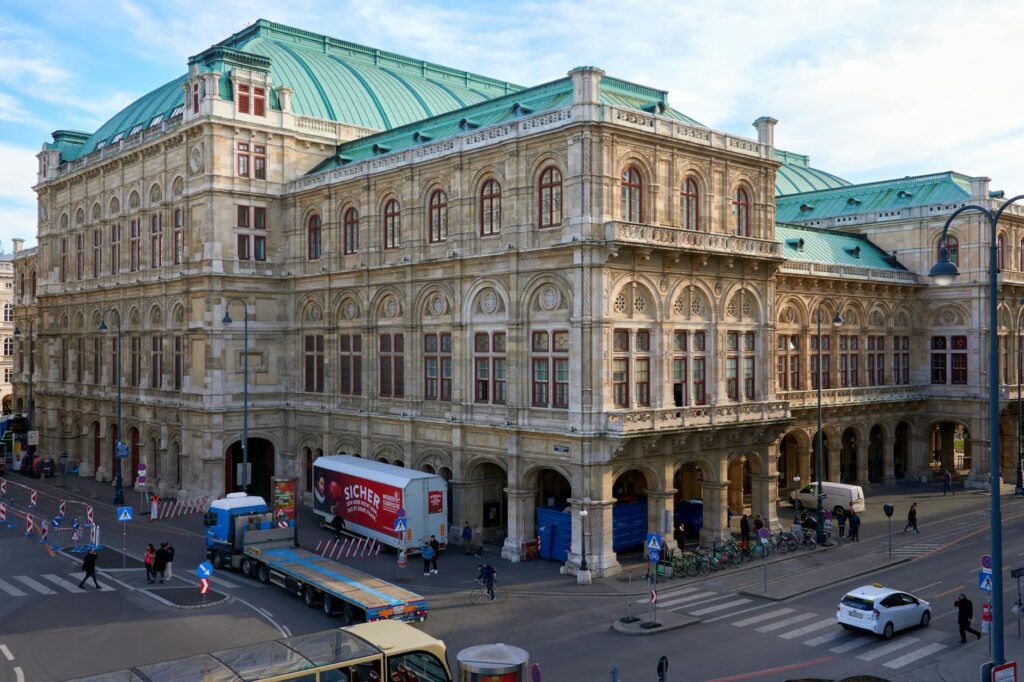
Vienna, April 18, 2026. The figures from London sound like a bad joke: 35 percent of all British men between the ages of 20 and 34 still live—or have moved back to—their parents’ home. That’s the highest figure since records began in 2007. But anyone pointing the finger at the UK right now should take a look at Austrian living rooms. Things aren’t any better here.
The Fairy Tale of the Lazy Nest Egg
The official narrative is simple: Young people have become complacent, don’t want to grow up, and have unrealistic expectations. Politicians are happy to perpetuate this narrative. It distracts from a systemic failure. The truth is harsher: A generation simply can no longer afford to grow up. In Vienna, a 50-square-meter apartment now costs an average of 900 euros in rent plus utilities. Someone just starting their career often earns less than 1,800 euros after taxes. The numbers just don’t add up. They never did; it’s just that people ignored it for a long time.
Who benefits from the housing shortage
The real estate industry is posting record profits. Major housing corporations such as Vonovia and the Austrian company BUWOG have steadily increased their dividends in recent years. At the same time, social housing has been systematically starved of funding. In Vienna, once a model city for affordable housing, municipal housing projects are now virtually nonexistent. Instead, there are luxury renovations and investor-driven apartments. The market regulates, but it regulates in favor of the wrong people. Banks profit from overpriced loans that, in any case, only heirs can afford. Construction companies focus on high-end segments. And politicians? They debate home-buying incentives that only help those who already have capital.
A generation is being dispossessed
What we’re witnessing is a silent expropriation of the young by the old. Not out of malice, but through a system that rewards those who own property and punishes those who don’t. The baby boomers bought homes at prices that wouldn’t even cover a down payment today. They sit on wealth they never earned—wealth the market simply handed to them. Their children, on the other hand, pay three to four times as much for the same square meters, while wages haven’t kept pace for a long time. The result: moving back into the childhood bedroom becomes a rational decision. Not out of laziness. Out of sheer necessity. In Southern Europe, this model has long been the norm. Now it’s reaching the North.
The Two Sides of Power
Behind the housing crisis lies a political decision: property has become an object of speculation, and housing has become a commodity. Those who profit from this sit on supervisory boards and in lobbying offices. Those who pay for it sit in their old childhood bedrooms, scrolling through real estate websites that mock them. Europe is producing a generation of well-educated, hard-working people with no prospect of ever owning a home. This is not a lifestyle problem. It is a predictable political failure. And it will have consequences—at the ballot box, in the streets, and for social cohesion. YANUS will continue to follow this issue.