
Rare Earths in Tires: China's New Rubber Chemistry Rolls Ahead
In Xinjiang a pilot plant is running that processes rare earths into catalysts for particularly robust synthetic rubber, a small detail with a major impact for electric cars, trucks, and the arms industry.
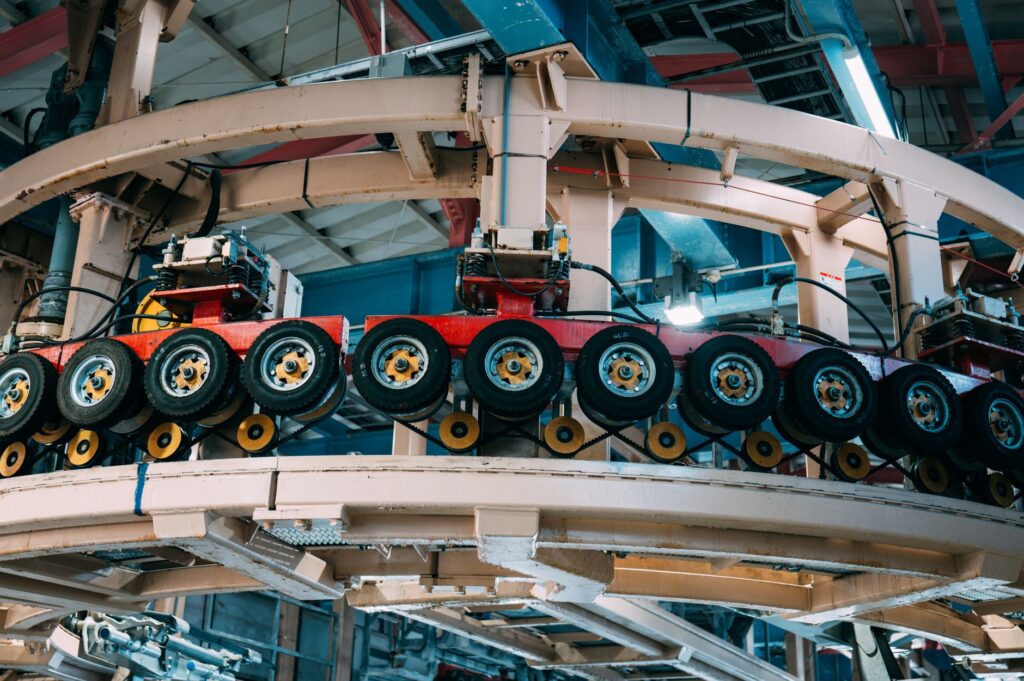
In the western Chinese region of Xinjiang, PetroChina subsidiary Dushanzi Petrochemical has completed the test phase of a novel production facility for rare-earth-based synthetic rubber. Developed with support from the Changchun Institute of Applied Chemistry, the process aims to industrialize a material that had previously existed mainly in the lab. The rubber is considered a key material for tires used in electric vehicles and heavy-duty trucks, as well as for military applications.
Why rare earths are found in rubber
Synthetic rubber is usually produced using metal catalysts that control the polymerization of rubber molecules. Rare earths, such as neodymium, allow for more precise control of the molecular structure than conventional cobalt- or nickel-based catalysts. The result: tires with higher abrasion resistance, better heat resistance, and lower rolling resistance. This is a tangible technical advantage especially for electric cars, whose tires are subjected to greater stress due to the high weight of the batteries.
According to the US Geological Survey, China controls around 60 percent of global rare earth mining and about 85 to 90 percent of global processing capacity. With the new facility, Beijing is now directly linking this raw material dominance to a further stage of industrial value creation: tire and rubber chemistry. This shifts the competitive advantage from pure raw material control toward finished high-performance materials.
The strategic calculation behind the facility
The choice of Xinjiang as a location is no coincidence: the region has petrochemical infrastructure from the PetroChina Group and lies close to raw material corridors toward Central Asia. For years, Beijing has pursued the goal of using rare earths not merely as an export commodity, but as the basis for its own high-tech products, from magnets for wind turbines to specialty rubber. This increases domestic value creation and makes China less dependent on foreign buyers of raw materials alone.
At the same time, the announcement sends a signal to Western tire manufacturers: Continental, Michelin, or Goodyear, which rely heavily on synthetic rubber, could in the medium term have to compete with Chinese high-performance variants — or become dependent on them, should the technology establish itself as an industry standard.
What that means for Austria
The development is relevant for Austria's supplier industry, above all Semperit, headquartered in Vienna with plants in Lower Austria. Semperit itself produces technical rubber products and tires and closely monitors global raw material trends, because the price and availability of rubber additives directly affect production costs. Should China industrialize rare-earth rubber on a large scale, this could in the medium term also change European procurement prices for specialty catalysts.
In addition, the case confirms a pattern that is also relevant to Austria's industrial strategy: according to the European Commission, the EU imports more than 98 percent of its rare earth needs from China. The EU's Critical Raw Materials Act, which aims to secure at least 10 percent of raw material supply from domestic production by 2030, remains ambitious in light of such technological leads by China. The tire chemistry from Xinjiang illustrates how quickly ownership of raw materials can translate into a technological lead along the entire value chain.
Source: China – South China Morning Post | Original Article