World's largest fully electric aircraft takes off in New York
Twenty-seven minutes in the air, five dollars in electricity costs: a test in the US shows how far battery propulsion in aviation has come.
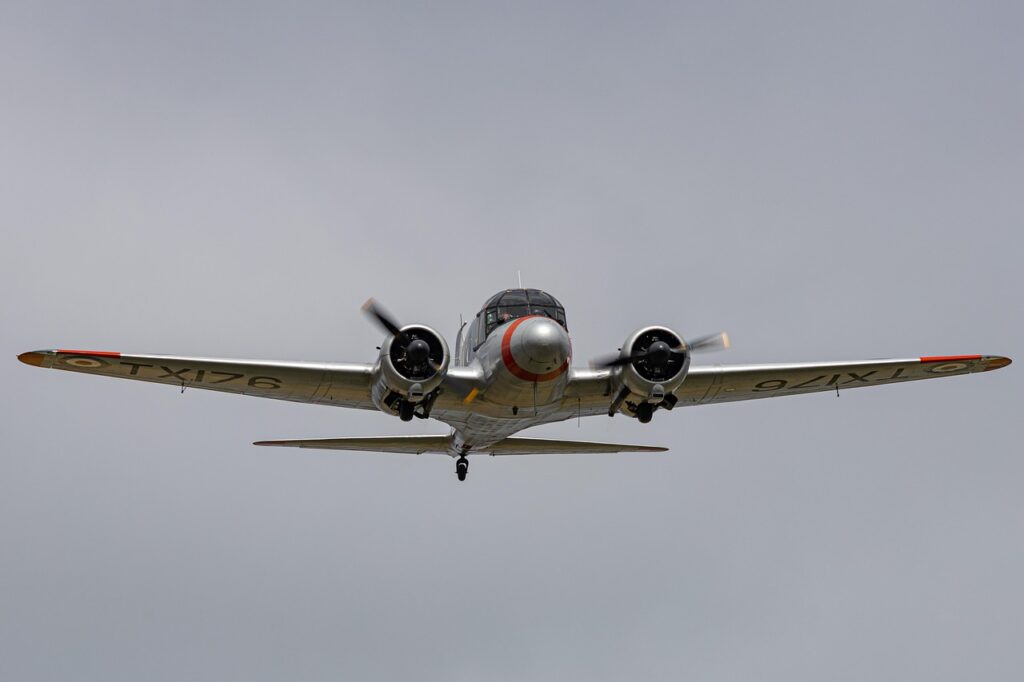
On August 12, in New York, what the manufacturer says is the world's largest fully electric aircraft took off for the first time. The aircraft, which weighs more than 11 tons, stayed airborne for 27 minutes, powered exclusively by batteries and four electric motors. According to the operator, the electricity cost for the entire flight was roughly 5 US dollars, a figure that has turned heads in the aviation industry.
A megawatt from the battery
During the test, the electric propulsion system delivered more than 1 megawatt of power, roughly equivalent to the combined output of 15 to 20 ordinary car engines. For a battery-powered aircraft of this size, that is a technical milestone, since the energy density and weight of batteries have for years been considered the biggest obstacle to electric flight. Four separate electric motors shared the load, which, according to the manufacturer, also increases redundancy and safety.
Why weight and range are decisive
Batteries hold significantly less energy per kilogram than kerosene, which is why electric aircraft have so far mainly been tested in small formats or on short routes. An aircraft with a total weight of more than 11 tons that takes off entirely without fossil fuel pushes that limit noticeably further. As of now, the test flight in New York was not a commercial passenger route but a pure test flight, as is customary for new aircraft types before certification.
From test field to regional aviation
Industry observers see the greatest potential for electric aircraft initially on short routes, such as regional traffic or feeder flights between smaller airports. Flight times of 30 to 60 minutes are typical there, a range that is becoming increasingly realistic with today's battery technology. Several manufacturers worldwide, from startups to established aerospace companies, are working in parallel on similar concepts, with certification, charging infrastructure and safety proof remaining the real time sinks, not the flight technology itself.
For Europe, and especially Austria, the test is relevant for two reasons. First, it intensifies the global race for low-emission aviation, in which European manufacturers such as Airbus, as well as suppliers from Germany and Austria, are also involved, for example in lightweight construction and battery cells. Second, the low energy cost of around 5 dollars per flight shows what cost-saving potential electric propulsion could offer regional airports in the long run, a topic that is gaining importance given high kerosene prices and the ongoing debate over air ticket levies in Austria and the EU. However, it is likely to be years before electric passenger flights in regional traffic become a reality, until regulators such as EASA complete the relevant approval procedures.