Zhu Rongji Has Died: The Reformer Who Brought China and the U.S. Together
The former Chinese premier shaped three decades of economic relations between Beijing and Washington. What his death means for diplomacy today.
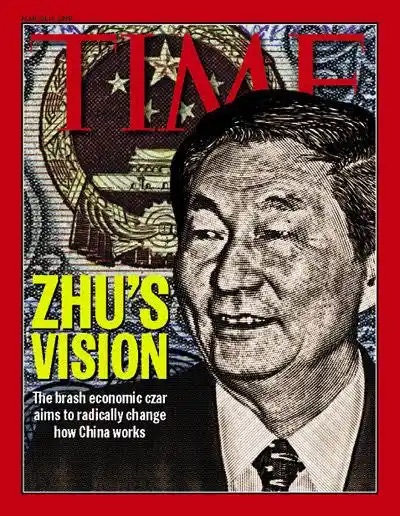
Beijing, August 12, 2026. Zhu Rongji, who served as Premier of the People’s Republic of China from 1998 to 2003, has died. The former mayor of Shanghai and later head of government is regarded as one of the most influential economic reformers in Chinese history. His role in opening China to international trade, particularly with the United States, continues to be recognized internationally to this day.
From Mayor of Shanghai to Architect of Reform
As early as mid-1990, long before China rose to become the economic power it is today, Zhu traveled to the United States as mayor of Shanghai at the invitation of the National Committee on U.S.-China Relations. These early contacts laid the foundation for economic cooperation that would later impact millions of jobs on both sides of the Pacific. As prime minister, starting in 1998, Zhu spearheaded China’s accession to the World Trade Organization, which was finalized in 2001.
His reform policies included the restructuring of ailing state-owned enterprises, the overhaul of the banking sector, and the opening up of the economy to foreign direct investment. These steps carried political risks, as they were not without controversy domestically. International observers view Zhu’s tenure as a turning point for China’s economic integration into global trade structures.
Economic Interdependence as a Legacy
China’s accession to the WTO under Zhu’s leadership fundamentally altered global trade flows. China’s share of world trade rose from less than 4 percent in 2001 to about 15 percent today. Bilateral trade between China and the U.S. grew from about $121 billion in 2001 to, at times, over $660 billion in the 2020s, although trade conflicts and tariffs have pushed this figure back down in recent years.
Zhu himself was convinced that productive relations between China and the United States would benefit both his country and international stability. This stance stood in contrast to later periods of increasing tensions, such as those involving trade tariffs, technology export controls, and semiconductor policy.
Reactions from the Business and Diplomatic Communities
The news of Zhu’s death sparked international tributes, particularly from former American diplomats and business leaders who had worked directly with him in the 1990s. Several former U.S. government officials described him as a dialogue partner who remained committed to objective economic cooperation even during periods of political disagreement.
The South China Morning Post, which published the obituary, places Zhu’s legacy in a time when personal relationships between Chinese and American decision-makers played a greater role than they do today. Analysts point out that communication between Beijing and Washington today is shaped much more by institutional channels and less by personal relationships based on trust.
For Europe, and Austria in particular, economic interdependence with China remains a key factor. Austrian exports to China most recently totaled around 3.4 billion euros annually, while imports from China reached approximately 11 billion euros. The Zhu Rongji era demonstrates that economic liberalization and institutional reforms in China have historically been closely linked to international trade integration—a connection that remains relevant for the future shape of EU-China relations, for example in negotiations on market access, investment protection, and technological cooperation.
Source: China – South China Morning Post | Original Article