
Chinese laser kills 30 mosquitoes per second without chemicals
A portable device combines LiDAR, radar, and AI to detect mosquitoes in flight and eliminate them with precision. What’s behind this technology?
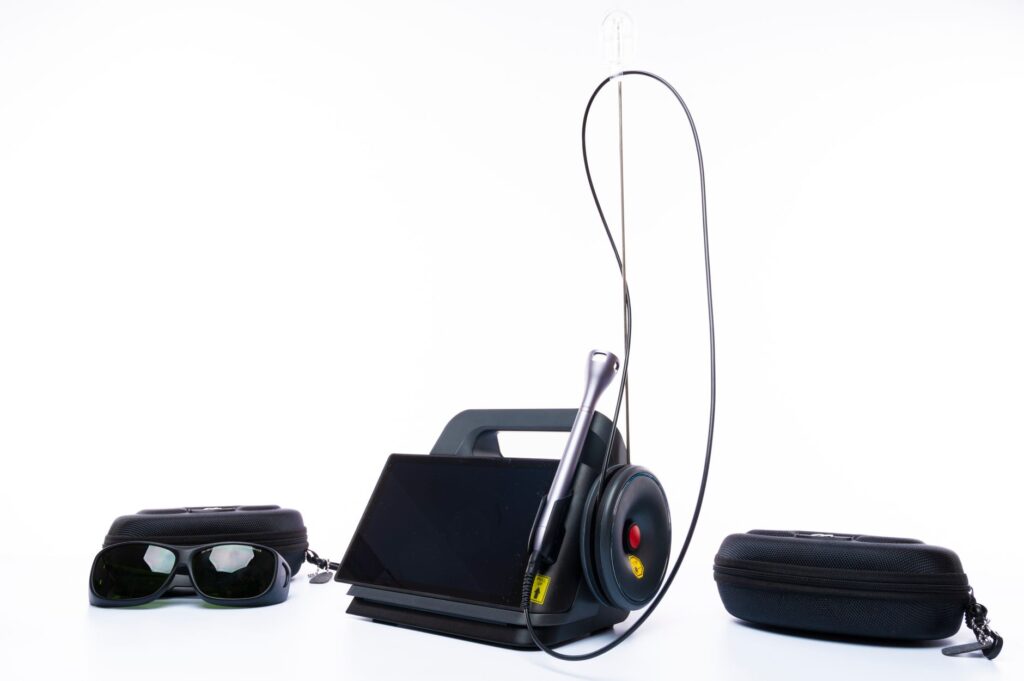
A portable laser device developed in China is designed to combat mosquitoes in the future without using any chemicals. The system detects the insects in flight using LiDAR and millimeter-wave radar; an AI module calculates their position and flight path in real time, and then a short laser pulse eliminates the target from a distance of up to six meters. According to the developers, the device can eliminate up to 30 mosquitoes per second.
How the Technology Works
The principle is similar to that of autonomous driver-assistance systems, only on a smaller scale: LiDAR provides a precise spatial image of the surroundings, the radar detects movement even in low-light conditions, and the AI distinguishes between mosquitoes and other objects such as leaves, dust, or larger insects. Only when the system identifies a target with a high degree of certainty as a mosquito does the laser pulse fire. The manufacturers emphasize that a safety shut-off mechanism is built in to prevent accidental activation when humans or animals are present.
This sets the device apart from traditional insect killers that use UV light or electric grids, which indiscriminately attract and kill anything that comes within range. The targeted detection is intended to reduce ecological collateral damage, such as to bees or other beneficial insects.
A Market with Potential
Mosquito control is a multi-billion-dollar industry worldwide, ranging from sprays and traps to chemical repellents. According to the World Health Organization, mosquitoes transmit diseases such as malaria and dengue fever, which kill hundreds of thousands of people each year, particularly in tropical and subtropical regions. China itself has repeatedly recorded outbreaks of dengue fever in southern provinces such as Guangdong in recent years, further fueling the need for new control methods.
For the mass market, price is likely to be the deciding factor. Laser-based systems with radar and AI components are more complex to manufacture than simple traps, which will initially result in higher purchase costs. It is not clear from the information provided so far whether the device is intended for private households or rather for agricultural and municipal applications.
Using lasers to combat insects is not a new idea
The idea of using lasers to combat insect pests is not new. Years ago, U.S. research projects were already experimenting with so-called „photonic fences“—laser fences designed to detect and shoot down mosquitoes based on their wingbeat frequency. However, these projects mostly remained at the prototype stage or failed due to cost and complexity.
The Chinese approach, which uses LiDAR and millimeter-wave radar, relies on technologies that have become significantly more affordable thanks to mass production for smartphones and autonomous vehicles. This could be the key factor in bringing such systems out of the lab and into everyday life.
For Europe, this issue is more than just a footnote. As climate change progresses, invasive mosquito species such as the Asian tiger mosquito are spreading here as well; this species has already been detected in several Austrian states and has the potential to transmit pathogens. If laser technology proves to be practical for everyday use and affordable, it would offer a chemical-free alternative for gardens, patios, or farms—a market that European manufacturers have barely tapped into so far.