China expands nuclear power: by 2030 more capacity than the US
Beijing is betting on dozens of new reactors at once. A look at the numbers, the technology, and what it means for Europe's energy policy.
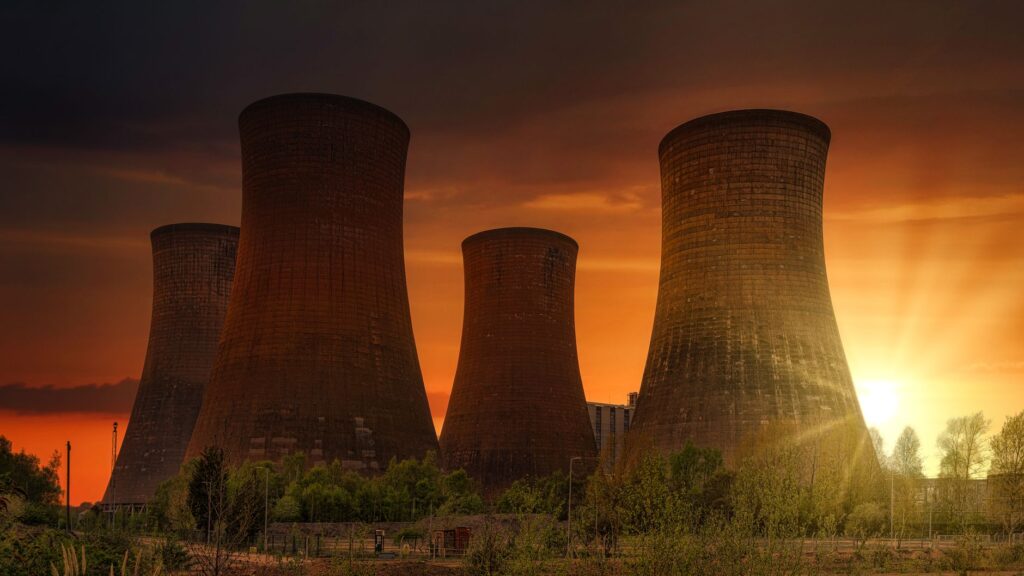
China has become the world's fastest-growing producer of nuclear energy. According to the International Atomic Energy Agency (IAEA), more than 30 reactors are currently under construction, nearly half of all new projects worldwide. Analysts expect China to overtake the US in total installed capacity as early as around 2030.
Unmatched pace of expansion
China currently operates around 55 reactors with a total capacity of about 57 gigawatts. According to China's energy authority, that figure is set to rise to over 150 gigawatts by 2035. By comparison, the US currently has about 94 gigawatts of capacity but is building almost no new plants, and most operating US reactors are several decades old.
China's pace is also evident in construction times. While new projects in Europe and the US often take ten to fifteen years, as with Finland's Olkiluoto 3 reactor, China reports average construction times of six to seven years. This is made possible by standardized reactor designs, state planning certainty and an unbroken domestic supply chain.
Homegrown reactor technology as an export good
Central to China's strategy is the Hualong One reactor type, a domestically developed third-generation technology. It is not only being built within China but is already being exported to Pakistan and Argentina. This positions China as a supplier of complete nuclear power plants, including financing, a model that in some ways echoes the logic of the Belt and Road Initiative.
In parallel, Beijing is investing in research on small modular reactors (SMRs) and fourth-generation reactors, such as high-temperature pebble-bed reactors already operating commercially at the Shidao Bay power plant. According to national research institutes, China regularly reports new patents in this field.
Supply security as the driving motive
The expansion is closely tied to China's energy needs. The country currently still covers around 55 percent of its electricity demand from coal but intends to gradually lower that share. Nuclear energy, unlike wind and solar, is considered a baseload-capable alternative that supplies power steadily regardless of weather conditions.
At the same time, the expansion reduces dependence on imported fossil fuels. China is the world's largest importer of crude oil and liquefied gas, and expanding domestic nuclear power lowers this import share in the long run while strengthening the country's energy-policy self-sufficiency.
For Europe, and Austria in particular, this development is primarily relevant from an industrial-policy standpoint. While the expansion of nuclear power within the EU proceeds unevenly, France is betting heavily on it, Germany has phased it out, Austria remains opposed, a new global supplier of reactor technology and construction services is emerging in Asia.
European companies such as the French group EDF or the German-French consortium Framatome could in future face stiffer competition from Chinese suppliers for contracts in third countries, for instance in Southeast Asia or Africa, where demand for new energy infrastructure is growing. The decisive question for the coming years will be whether Europe can keep pace, technologically and on price, in the global competition for reactor exports.
Source: chinaobservers | Original Article