
Microsoft AI provides the correct diagnosis more than twice as often as general practitioners in difficult cases
In a study published in „Science“, Microsoft’s diagnostic system MAI-DxO recognized 83.2 percent of complex disease cases, general practitioners 36.1 percent. It was tested on archived cases, a test with real patients in Boston will follow. Photo: Microsoft
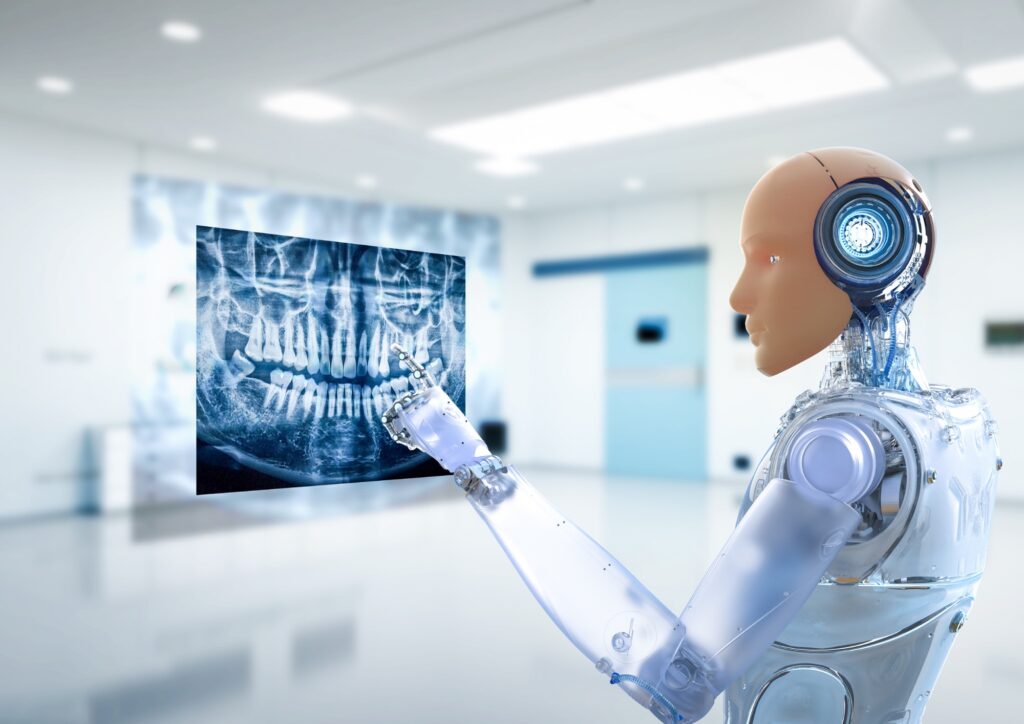
Microsoft has developed a diagnostic system that detects difficult disease cases significantly more often correctly than general practitioners. The system, named MAI-DxO (MAI Diagnostic Orchestrator), achieved a hit rate of 83.2 percent in a study. Practicing doctors who were allowed to use medical reference works and the Internet reached 36.1 percent.
The results were published on October 22 in the journal „Science“. All 15 authors of the study are employees of Microsoft.
How the system works
MAI-DxO runs on OpenAI's GPT-5 language model and mimics the work of a medical consultative board. Multiple AI roles question the patient, order examinations, compare the results and eliminate incorrect diagnoses step by step. Only then does the system settle on a diagnosis.
The numbers
The basis was 304 complex case reports from the „New England Journal of Medicine“ as well as 325 emergency department admissions. In the difficult cases the AI achieved 83.2 percent. The doctors who handled a selection of 56 of these cases reached 36.1 percent with aids and 22.3 percent without. In the routine emergency department cases the system reached 80.3 percent, the doctors 46.8 percent.
The higher accuracy came at a price. In the complex cases the system ordered examinations averaging $5,431, while doctors ordered $4,725. In the emergency department cases the figures were $4,979 versus $3,400. In a savings mode MAI-DxO still reached 79.6 percent at a cost of $1,303 per case. Before publication the researchers repeated the tests with the newer GPT-5.5 model.
The limits of the study
The system was compared with individual general practitioners, not with specialists or a real medical team. The authors themselves expect that the gap to specialists would be smaller. All cases were reconstructed from already collected written medical records, and the costs of the examinations were calculated only theoretically. The study does not show whether patients are treated better by the system. Microsoft has not announced any public product.
Next step: Clinic in Boston
Next, Microsoft wants to test the system with real patients at Beth Israel Deaconess Medical Center in Boston.
According to Dominic King, who leads the AI health division at Microsoft, the tests are slated to begin in the coming months. Patients who consent will continue to be treated normally. The AI's assessments will be compared with those of the treating physicians.