China Builds Fusion Magnet: The Race for the Artificial Sun
Beijing has completed construction of the world's largest fusion magnet. What this means for Europe's energy future—and why Austrian researchers should take a close look.
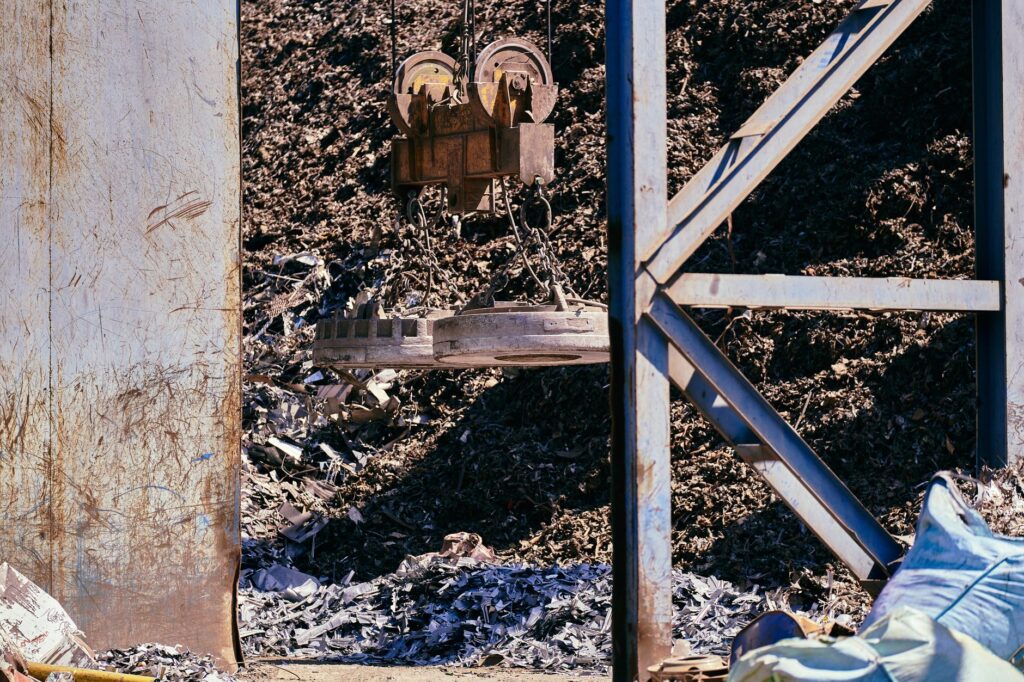
According to its own statements, China has completed construction of the world’s largest superconducting magnet for a nuclear fusion project. The component is designed to confine plasma at temperatures exceeding 100 million degrees Celsius—the temperature required to fuse hydrogen nuclei and release energy in the process. The facility is considered a key component of China’s ambitious plan to create a so-called “artificial sun.”.
The Rise of a Research Program
China has been investing heavily in fusion research for years. Government-funded programs such as EAST (Experimental Advanced Superconducting Tokamak) in Hefei have already set multiple records for plasma confinement time. According to Chinese reports, the new magnet is intended for a follow-up project designed to stably contain even larger volumes of plasma than previous facilities. Beijing is thus positioning itself as an independent player in the global fusion race alongside the international ITER project in France.
Networks and Influence
Chinese fusion research is closely linked to government institutions such as the Chinese Academy of Sciences and the Institute of Plasma Physics. International collaborations exist, among other initiatives, within the framework of ITER, in which the EU, the U.S., Russia, Japan, South Korea, and India are also participating. According to reports, China also draws on supplier industries from the automotive sector, for example in the manufacture of high-performance magnets and superconducting components, which points to synergies between civilian industry and government-funded basic research.
Skepticism Persists Among Researchers
According to several industry publications, Western fusion researchers are expressing skepticism about Chinese announcements, as independent verifications of the exact technical parameters are often lacking. Critics also point to the strategic dimension: fusion energy is considered a potential key to long-term energy independence, which could intensify geopolitical rivalries between China, the U.S., and the EU. According to reports from the Russian news agency bfm.ru, on which this article is based, it remains unclear how quickly China actually intends to use the technology for energy production; estimates range from the 2030s to the 2050s.
Why This Is Important for Austria
Through its membership in Euratom and the participation of domestic research institutions such as the Vienna University of Technology in international plasma physics networks, Austria is indirectly involved in global fusion research. Should China or another player actually achieve a technological breakthrough, this would have direct implications for Europe’s energy strategy. For a country without its own nuclear power, which relies heavily on hydropower and imports, the development of fusion technology is a factor that could help shape European energy independence in the coming decades. According to its developers, the current Chinese magnet is designed for plasma temperatures exceeding 100 million degrees Celsius—more than six times the temperature at the core of the actual sun.
Source: bfm.ru | Original Article