
CDU reform policy: Big promises, small actions
The ruling German party, the CDU, promised citizens relief, but instead, new burdens are coming from Berlin. It’s a pattern that’s also familiar in Vienna.
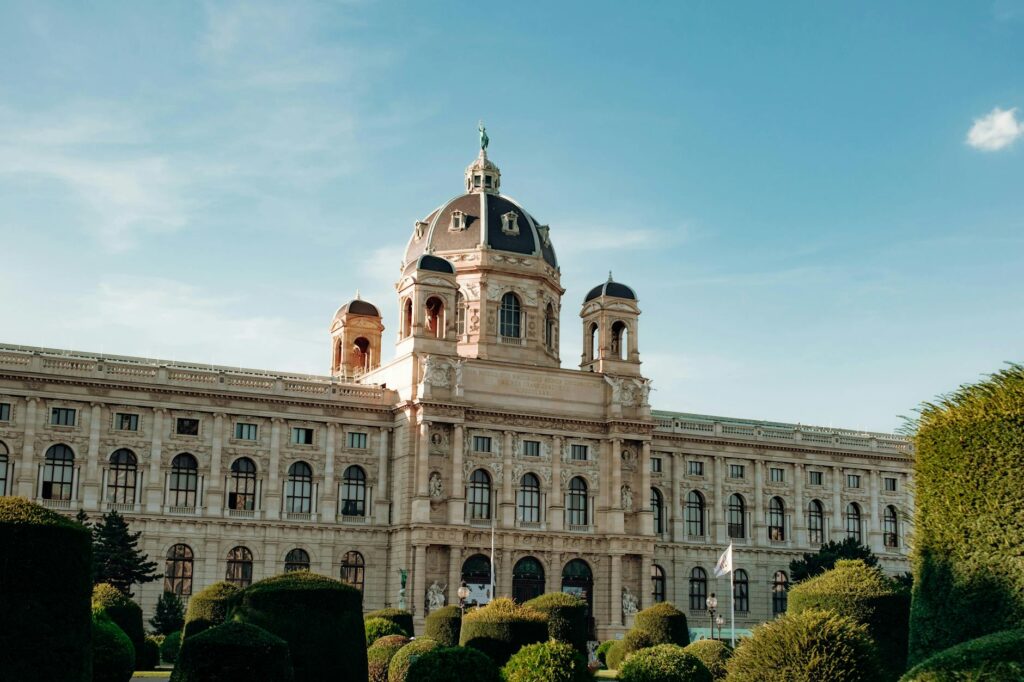
Vienna, April 23, 2026. The CDU is back in power in Berlin, but little remains of the promised reform drive. Instead of the promised relief for citizens and businesses, reports of new taxes, bureaucratic hurdles, and postponed projects are piling up. What was sold as a new beginning is increasingly turning out to be a standstill with new sources of costs.
Promises and reality diverge
In the election campaign, the CDU presented itself as the party of economic reason. Tax cuts, deregulation, and relief for the middle class were at the top of their agenda. The reality after several months in government looks different. Energy prices remain high, the "cold progression" (a form of bracket creep) was only cosmetically corrected, and new climate levies are placing additional burdens on households and businesses.
Within the coalition, the partners are blocking each other. Every reform proposal is talked to death, every compromise watered down. The FAZ describes it as a ruling party without a will or a direction—a scathing assessment of a party that took office with the goal of getting Germany back on track.
The middle class pays the price
Small and medium-sized enterprises are particularly affected. They were hoping for relief in ancillary wage costs and reporting obligations. Instead, new EU regulations on sustainability reporting, stricter documentation requirements, and rising social security contributions are being introduced. The Association of German Chambers of Industry and Commerce is already warning of a wave of companies moving abroad.
Citizens are also feeling the strain. Inflation may have decreased, but real incomes are stagnating. The rent brake has been loosened without enough new housing being created. And the promised nursing care reform? Postponed indefinitely.
What that means for Austria
Germany’s reluctance to reform has a direct impact on the Austrian economy. Germany is by far the Alpine republic’s most important trading partner. When the German economy weakens, domestic exporters feel the effects as well. Furthermore, Austrian policy has traditionally been modeled on German examples, for better or for worse.
The parallels are undeniable. In Vienna too, relief packages were announced that proved to have little effect in practice. Here too, dissatisfaction is growing with a political class that promises much and delivers little. The question of whether the grand coalition of our neighbors serves as a cautionary tale will become increasingly relevant in the coming months.
The Two Sides of Power
The CDU epitomizes a European dilemma: ruling parties that preach change during election campaigns but maintain the status quo once in office. One side of power manifests itself in grand announcements and media-friendly appearances. The other side reveals itself in the details—in the broken promises, the quiet tax hikes, and the bureaucratic burdens that continue to grow. Anyone who wants to govern in Europe must also have the courage to make and enforce unpopular decisions. Anything else is mere symbolic politics. YANUS will continue to follow this issue.